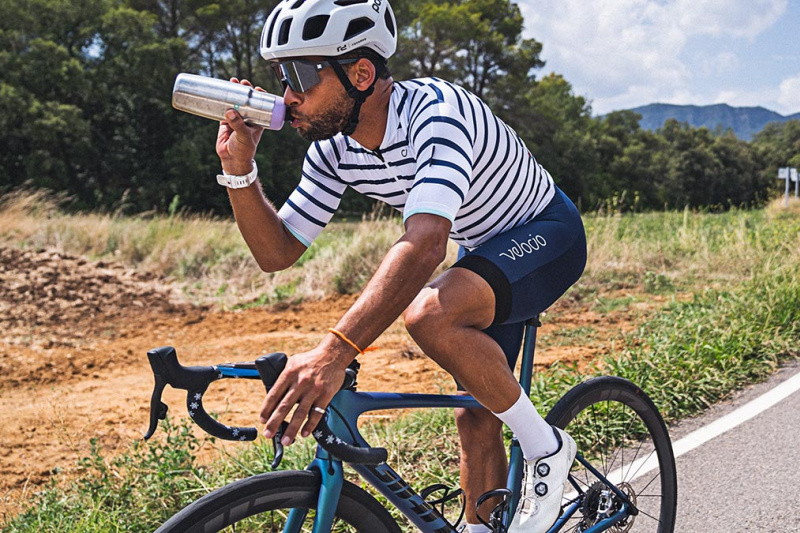
Every cyclist knows the feeling of hitting the wall, but an equally devastating race-day scenario is gastrointestinal distress. You have put in the hours on the saddle, dialed in your pacing strategy, and tapered perfectly, only to find yourself sidelined by stomach cramps or nausea. The culprit is often a lack of preparation in the digestive department. Just as you train your legs to push higher watts and your heart to pump blood more efficiently, you must also condition your digestive system to handle the immense energy demands of racing. This process, known as cycling gut training, is the secret weapon that separates those who merely survive a grueling event from those who finish strong. By systematically teaching your stomach and intestines to absorb high amounts of carbohydrates while under physical stress, you can unlock a new level of endurance performance.
The Science Behind Digestive Adaptability
To understand why cycling gut training is so critical, we have to look at how the body processes fuel during intense exercise. When you are riding hard, your body diverts blood flow away from your digestive tract and toward your working muscles and skin for cooling. This physiological shift makes it incredibly difficult to digest and absorb food. Historically, sports nutritionists believed that the human body could only absorb about 60 grams of carbohydrates per hour. However, recent advancements in sports science have proven that the gut is highly adaptable. Through consistent and targeted practice, cyclists can train their digestive systems to absorb upwards of 90 to 120 grams of carbohydrates per hour. This massive increase in fuel availability can dramatically improve your power output in the final hours of a race, provided your stomach is prepared to handle the load.
How to Build Your Race-Day Fueling Plan
Creating a successful fueling strategy requires patience, precision, and a willingness to experiment. You cannot simply consume 100 grams of carbohydrates on race morning and expect your body to process it seamlessly. Instead, you need a structured approach that gradually conditions your digestive system over several weeks or months.

Start Early and Progress Gradually
The foundation of effective gut conditioning is gradual progression. Begin by assessing your current comfortable intake level during long rides. If you typically consume 40 grams of carbohydrates per hour, do not immediately jump to 80 grams. Instead, aim for 50 grams per hour during your next long endurance ride. Once your stomach tolerates that amount without any bloating or discomfort, increase the intake by another 10 to 15 grams per hour in subsequent weeks. This slow escalation gives your intestinal transporters the time they need to upregulate, effectively increasing your body’s capacity to shuttle carbohydrates from your gut into your bloodstream.
Optimize Your Carbohydrate Ratios
Not all carbohydrates are processed the same way. Your body uses different intestinal transporters for different types of sugars. Glucose is absorbed through one pathway, while fructose utilizes another. If you rely solely on glucose, you will quickly saturate that specific transport mechanism, leading to a backlog of undigested sugar in your stomach, which causes cramping and nausea. To maximize absorption, your fueling plan should incorporate a mix of carbohydrates. A widely accepted ratio is 2:1 or 1:0.8 of glucose to fructose. By utilizing multiple transport pathways simultaneously, you can safely push your hourly carbohydrate intake higher without overwhelming your digestive system.
Testing Your Strategy Under Pressure
One of the most common mistakes cyclists make is only practicing their nutrition strategy during low-intensity, conversational-pace rides. While this is a good starting point, it does not accurately simulate the physiological stress of a race. To truly master cycling gut training, you must test your fueling plan during high-intensity interval sessions and fast group rides. When your heart rate spikes and blood is aggressively shunted away from your stomach, your digestive system faces its ultimate test. If you are unsure whether your current baseline intake is sufficient before you even begin this specialized training, it is worth evaluating your overall daily habits. You can learn more about assessing your baseline needs by reading our comprehensive guide on the science of fueling for real cyclists, which explores whether you are eating enough on the bike during standard training blocks.
Mastering your race-day nutrition is a journey that requires just as much dedication as your physical training plan. By embracing the principles of cycling gut training, you can eliminate the guesswork and anxiety surrounding your race-day fueling plan. Remember to start early, increase your carbohydrate intake gradually, utilize optimal glucose-to-fructose ratios, and rigorously test your strategy under race-like intensity. When you put in the work to train your digestive system, you ensure that your body has the continuous energy supply it needs to perform at its absolute best, allowing you to cross the finish line with power and confidence.