By Avid Cyclist
Training the digestive system can make a demanding race-day fueling plan more tolerable. Learn how to train your gut for cycling to absorb more carbohydrates and prevent stomach problems on race day with this four-week plan.
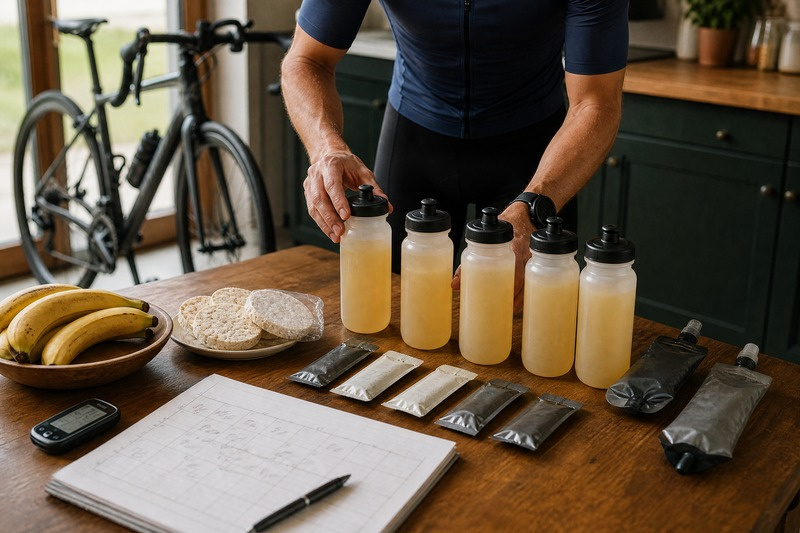
The professional peloton is currently consuming more carbohydrates per hour than ever before, pushing the boundaries of human endurance to unprecedented levels. It is no longer uncommon to hear of riders taking in massive amounts of fuel during grueling mountain stages and spring classics. However, when amateur cyclists, gravel racers, and gran fondo riders attempt to match those impressive numbers on their own long rides, they often hit a frustrating wall of gastrointestinal distress. The secret to bridging this gap between professional practice and amateur execution is not necessarily finding a magical new sports drink or an expensive energy gel. Rather, it is understanding that the digestive system is highly adaptable, much like the muscular and cardiovascular systems. By actively “training the gut,” cyclists can systematically condition their bodies to process fuel more efficiently under intense physical stress.

Please note: The nutritional strategies discussed in this article are intended as adaptable examples and general education, not individual medical advice or strict prescriptions.
A structured, four-week plan can help you safely increase your carbohydrate tolerance, improve absorption rates, and significantly reduce the likelihood of race-day stomach problems. This process requires patience, meticulous tracking, and a willingness to treat your nutrition strategy as a critical component of your overall training regimen.
The Science of Gut Training
The human digestive system is remarkably resilient and capable of adapting to increased carbohydrate loads when exposed to them consistently over time. This adaptation primarily occurs through the upregulation of specific intestinal transporters, such as SGLT1 for glucose and GLUT5 for fructose . By systematically increasing carbohydrate intake during training, these transport mechanisms become more efficient, allowing a greater volume of fuel to move from the gut into the bloodstream where it can be utilized by working muscles. This physiological shift is what allows elite athletes to consume such high volumes of fuel without experiencing debilitating cramps or nausea.
While some professional riders now aim for upwards of 120 grams of carbohydrates per hour, the current scientific evidence for performance gains above 90 grams per hour remains mixed . A 2025/2026 scientific review concluded that evidence does not clearly show performance gains from at least 100 grams per hour versus the more traditional 60 to 90 grams per hour, though researchers acknowledge that existing single-day studies do not fully model the cumulative demands of multi-day racing . Therefore, it is essential to emphasize that carbohydrate targets must be highly individualized based on personal tolerance and the specific demands of your target event . More is not always better if your body cannot process it, and attempting to force excessively high intakes can often backfire, leading to a complete inability to fuel during a critical moment in a race.
Assessing Your Starting Point
Before embarking on a gut training protocol, you must establish your current baseline. This involves determining the maximum comfortable carbohydrate intake per hour that you can currently sustain without experiencing gastrointestinal distress. During your next long endurance ride, meticulously track both your fluid and carbohydrate intake. Pay close attention to how your stomach feels at different intake levels and note any specific triggers for distress, such as high carbohydrate concentration in your bottles, particular types of fuel, or the timing of your intake relative to intense efforts.
Understanding this baseline is critical because it provides a safe starting point from which to build. Attempting to jump immediately to a high-carbohydrate target without this foundation is a common mistake that often leads to severe cramping, nausea, and an abandoned workout. Take the time to document your current fueling habits. Are you currently consuming 30 grams per hour? 50 grams? Knowing this exact number will dictate the pace of your progression over the next four weeks.
The Four-Week Gut Training Plan
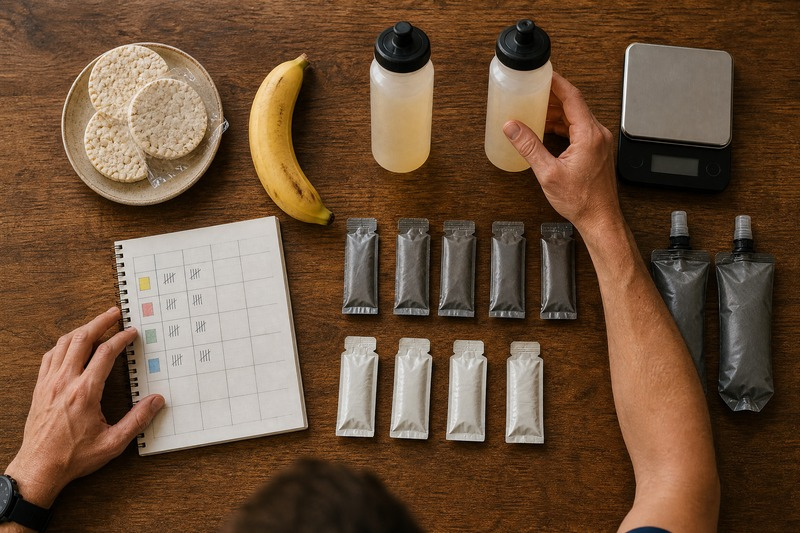
A structured plan requires tracking exactly what and how much you consume during key training sessions.
This four-week progression is designed to gradually expose your digestive system to higher carbohydrate loads while minimizing the risk of severe distress. It is crucial to remember that this plan should be executed during your key training sessions, not just on easy recovery spins where the physiological stress on your digestive system is minimal.
| Week | Focus Area | Execution Strategy |
| Week 1 | Baseline and Testing | Establish your current comfortable intake and introduce a slight increase (e.g., +10g/h) on one long endurance ride. Focus on consistency and observing how your body responds to the minor bump in volume. |
| Week 2 | Mixed Carbohydrates | Practice using a mix of glucose and fructose to maximize absorption rates and reduce the burden on a single transport pathway . Experiment with different ratios to find what sits best in your stomach. |
| Week 3 | Race Simulation | Simulate race intensity and duration while attempting to sustain your new, higher target intake. This is the crucial test to see if your gut can handle the fuel under true physical stress. |
| Week 4 | Logistics and Refinement | Fine-tune the practical logistics, such as opening wrappers and drinking while breathing hard, and solidify your final race-day plan. Ensure you have a reliable method for carrying and accessing your fuel. |
By breaking the process down into these manageable weekly increments, you give your digestive system the necessary time to adapt and upregulate the required transport mechanisms. Do not rush the process; gradual adaptation is the key to long-term success.
Troubleshooting Common Stomach Problems
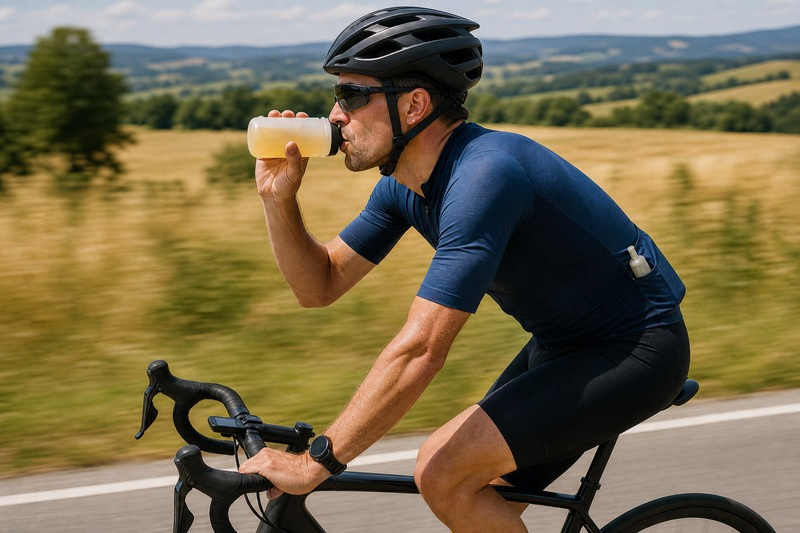
Practicing your nutrition strategy at race intensity helps identify and resolve GI issues before event day.
Even with a structured plan, you may encounter gastrointestinal issues as you push your limits. If you experience bloating and a sloshing sensation in your stomach, you may need to adjust your fluid volume or the concentration of your carbohydrate mix. A solution that is too concentrated can delay gastric emptying, leaving fluid trapped in the stomach and preventing the necessary fuel from reaching your bloodstream.
If cramping and nausea are your primary symptoms, consider pacing your intake more evenly throughout the hour rather than consuming large amounts at once. Taking small, frequent sips or bites is often better tolerated than trying to down a massive amount of fuel in a single go. Additionally, ensure you are managing your effort intensity, as digesting food becomes significantly more difficult when operating near your threshold, as blood is diverted away from the gut and toward the working muscles.
Finally, remember that adequate hydration and sodium intake are essential for optimal carbohydrate absorption, as water and sodium are required to transport glucose across the intestinal wall. Neglecting your fluid and electrolyte needs can quickly derail even the most carefully planned carbohydrate strategy. Also, for a deeper dive into the latest trends, check out our piece on exogenous lactate products and Tour de France hype, or see our recent article on hydration and exogenous glucose oxidation in the heat. (Editor’s note: Links to these articles will be added once they are live.)
Execution is Everything
Training your gut is a systematic process that requires patience, consistency, and a willingness to experiment during your preparation phase. High-carbohydrate plans must be practiced, increased strategically, tested under race-like conditions, and individualized for GI tolerance and execution logistics . You must treat your nutrition strategy with the same rigor and dedication that you apply to your physical interval training. It is not enough to simply buy the right products; you must put in the work to ensure your body can utilize them effectively when it matters most.
The golden rule of endurance sports remains unchanged: never try a new nutrition strategy on race day. By dedicating four weeks to this structured gut training plan, you can arrive at the start line confident in your ability to fuel your best performance without the fear of gastrointestinal distress.