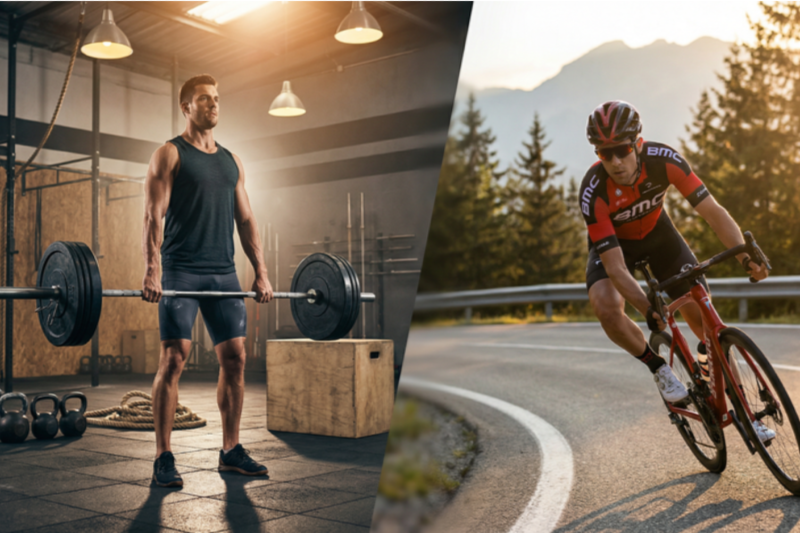
For many cyclists, the path to improvement is paved with long hours in the saddle, meticulous tracking of mileage, and a singular focus on the bike. While this dedication is the bedrock of cycling fitness, a growing body of evidence and a chorus of converted riders suggest that stepping off the bike and into the CrossFit box could be the most impactful decision a cyclist can make. By embracing high-intensity, functional fitness, cyclists can unlock new levels of power, endurance, and resilience, transforming their performance on and off the road.
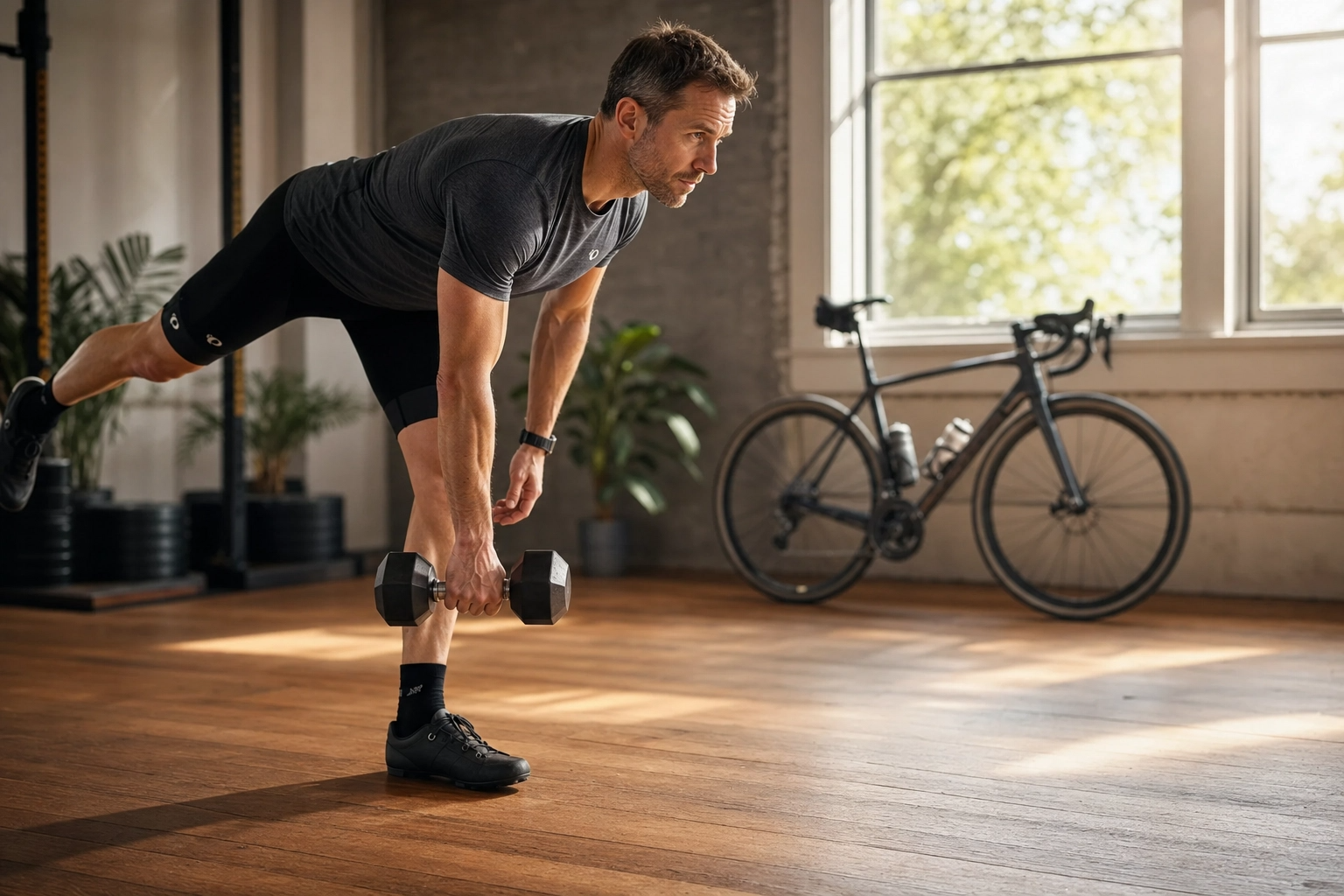
Traditionally, the cycling world has been wary of strength training, fearing that added muscle mass would lead to a detrimental increase in weight. However, modern sports science and real-world results from both amateur and professional riders are shattering this outdated myth. CrossFit, with its emphasis on compound movements and constantly varied, high-intensity workouts, offers a potent formula for building a more robust and efficient cycling engine.
Building a More Powerful Engine
The most immediate and noticeable benefit of CrossFit for cyclists is a significant increase in strength and power. The repetitive nature of cycling primarily develops a specific set of muscles in a limited range of motion. CrossFit breaks this mold by engaging the entire body with functional movements that build strength from the ground up.
“The type of heavy lifting you do in CrossFit is especially good for stimulating your neural drive—the mind-muscle connection that stimulates muscle contraction. When you start deadlifting your body weight (and then some) off the ground, your body goes, ‘Holy crap, we need more muscle power’ and activates more muscle fibers, which are then at your disposal on your bike.”
This enhanced neural drive and muscle fiber recruitment translate directly to a more powerful pedal stroke. Cyclists who incorporate CrossFit often report feeling like they have an “extra gear,” able to surge up climbs and power through sprints with newfound strength. A 2014 study published in the Scandinavian Journal of Medicine and Science in Sports found that a 25-week heavy strength-training program allowed cyclists to achieve their peak torque earlier in the pedal stroke, a clear indicator of improved efficiency and power.
Enhancing Endurance and Delaying Fatigue
While seemingly counterintuitive, the short, intense bursts of effort typical in CrossFit can have a profound impact on a cyclist’s long-distance endurance. The high-intensity interval training (HIIT) nature of many CrossFit workouts is exceptionally effective at improving both aerobic and anaerobic capacity. This means your body becomes more efficient at using oxygen and can handle a higher workload before fatigue sets in.
Research has shown that heavy lifting strengthens Type I slow-twitch muscle fibers, making them more resistant to fatigue. This allows a cyclist to ride at a higher wattage for longer periods using only these highly efficient muscle fibers, delaying the recruitment of less-efficient Type II fibers and, consequently, delaying exhaustion.
|
CrossFit Benefit
|
Impact on Cycling Performance
|
|
Improved Strength & Power
|
More powerful pedal stroke, better climbing, stronger sprints
|
|
Enhanced Cardiovascular Fitness
|
Increased stamina, ability to maintain a faster pace for longer
|
|
Injury Prevention
|
Reduced risk of overuse injuries, better crash protection
|
|
Improved Mobility & Posture
|
Counteracts negative effects of riding position, better bike fit
|
|
Mental Toughness
|
Increased ability to push through discomfort and maintain focus
|
Forging a Resilient, Injury-Proof Body
Cycling is a repetitive motion sport, which makes riders susceptible to overuse injuries in the knees, hips, and lower back. CrossFit helps to mitigate this risk by correcting muscle imbalances and strengthening the stabilizing muscles that are often neglected in cycling-specific training. By moving the body through a full range of motion with exercises like squats, deadlifts, and overhead presses, CrossFit builds a more balanced and resilient physique.
Furthermore, a stronger body is a safer body. In the unfortunate event of a crash, having more muscle mass provides a protective layer for bones and joints. Trevor Connor, a cycling coach and physiologist, emphasizes this point, stating, “Quite frankly, when you crash, if you’ve got no muscle up there, you’re going to do a lot of damage.” Weightlifting also strengthens connective tissues, making them less susceptible to tears from impact.
Getting Started: Integrating CrossFit into Your Training
The key to successfully integrating CrossFit is to view it as a supplement to, not a replacement for, time on the bike. The frequency and intensity of your CrossFit workouts should be adjusted based on your cycling goals and the time of year.
•Off-Season: This is the ideal time to fully embrace CrossFit. Aim for 3 sessions per week to build a strong foundation of strength and fitness.
•Race Season: During your competitive season, scale back to 1-2 sessions per week to maintain strength without compromising your recovery for key rides and races.
Focus on the foundational movements that provide the most significant benefit for cyclists. A well-rounded program should include:
|
Exercise
|
Benefit for Cyclists
|
|
Squats (all variations)
|
Builds leg and glute strength, improves core stability
|
|
Deadlifts
|
Develops posterior chain power, strengthens back and core
|
|
Kettlebell Swings
|
Builds explosive hip power, enhances cardiovascular fitness
|
|
Pull-ups / Rows
|
Strengthens upper back for better posture on the bike
|
|
Overhead Press
|
Improves shoulder stability and upper body strength
|
The Verdict: A Game-Changer for Cyclists
From professional racers like Payson McElveen, who credits CrossFit-inspired workouts for a substantial increase in his climbing ability, to everyday enthusiasts who find new joy and power in their riding, the message is clear: CrossFit works for cyclists. It builds a stronger, more powerful, and more resilient athlete, capable of not only riding faster and longer but also enjoying the journey with a newfound sense of strength and confidence.
By stepping out of the saddle and into the box, you may just find the missing piece to your performance puzzle, unlocking a level of fitness and speed you never thought possible.