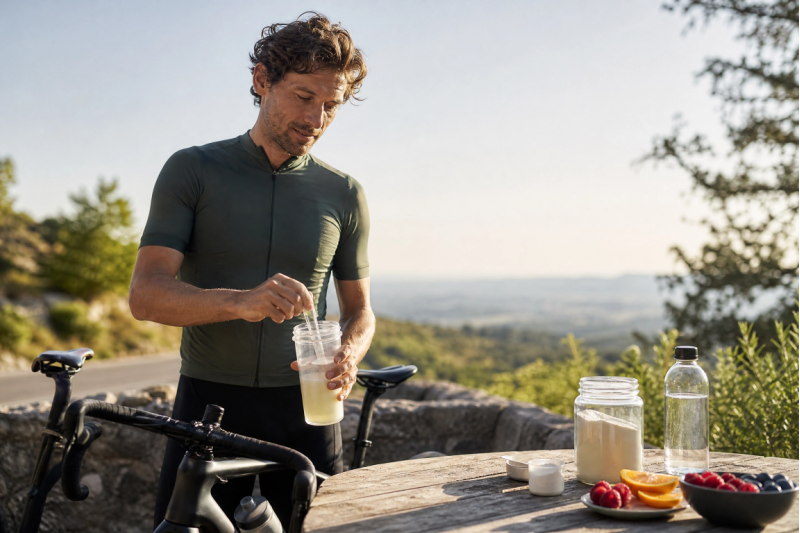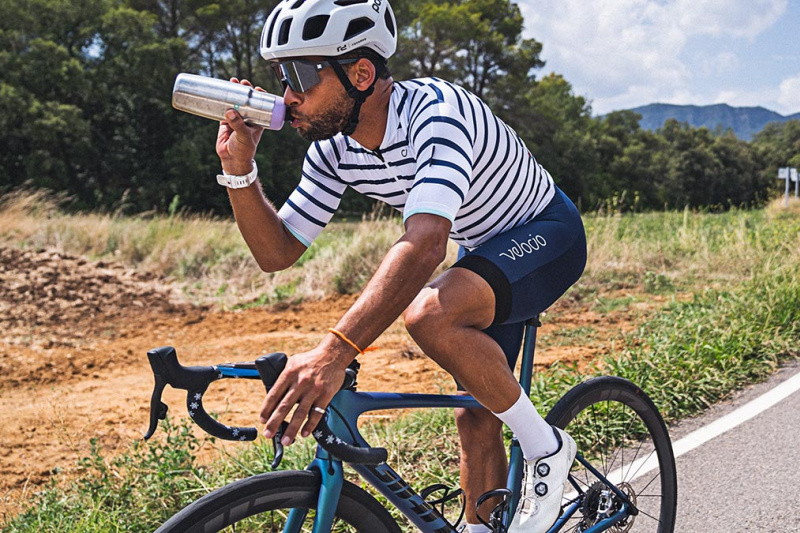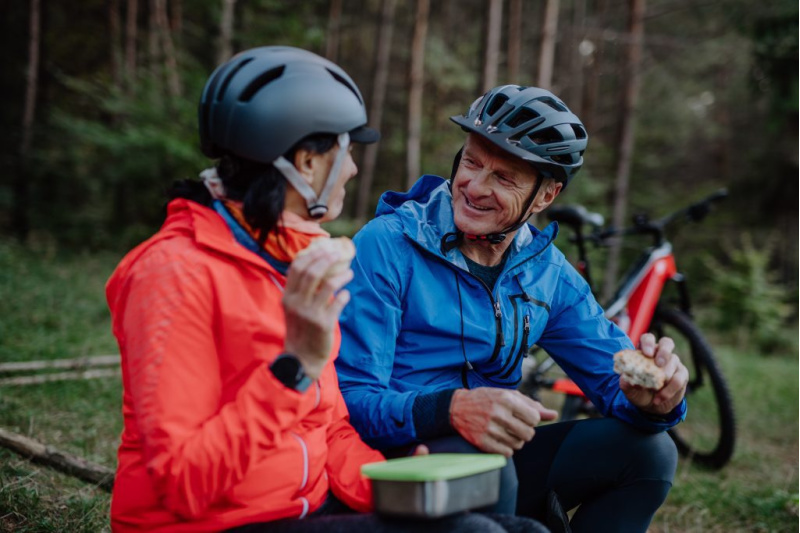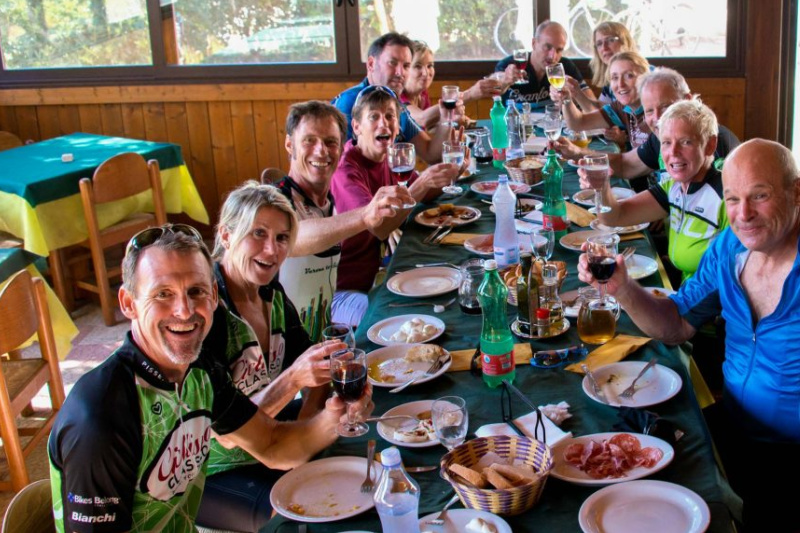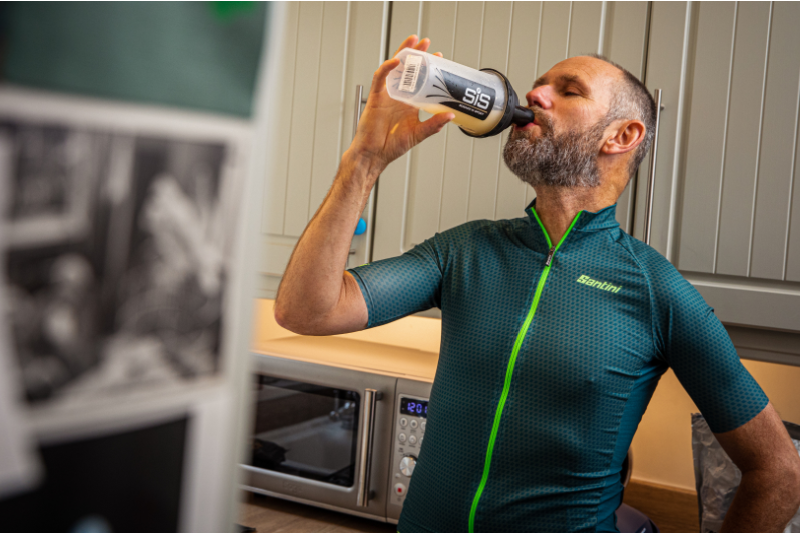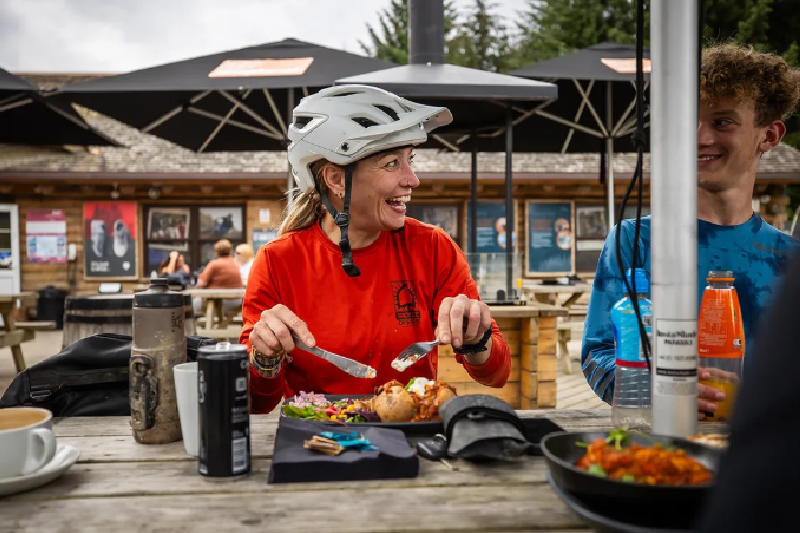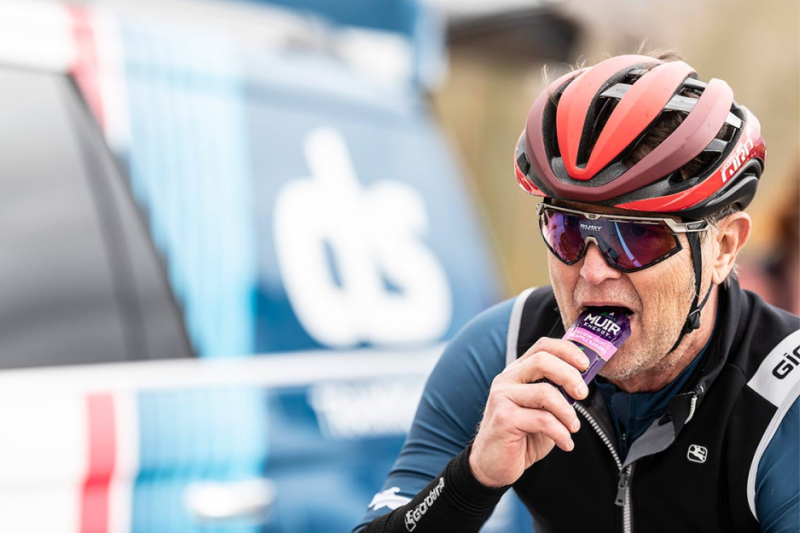
Fueling on the bike is a skill — and most recreational cyclists are not doing enough of it.
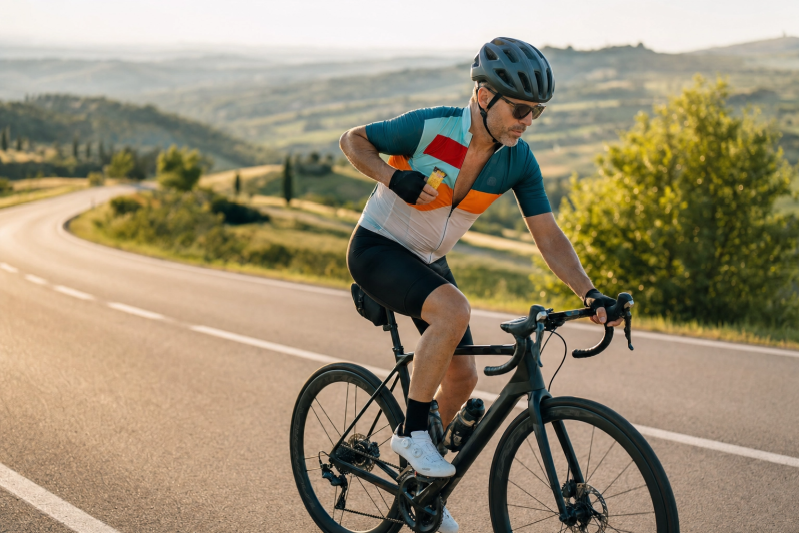
You are 90 minutes into a weekend group ride. You had a solid breakfast, you have been drinking your water, and you have eaten exactly one energy gel since you clipped in. The road tilts upward, and the familiar heavy feeling sets into your legs. Your power drops, your focus drifts, and suddenly you are fighting just to hold the wheel in front of you.
Sound familiar? If so, you are not alone — and it is probably not a fitness problem. It is a cycling nutrition problem.
Underfueling on the bike is arguably the single most common performance mistake that recreational cyclists make. Meanwhile, the professional peloton has entered a new era of on-bike fueling, with riders consuming staggering amounts of carbohydrates — up to 120 grams per hour — to power their performances. This leaves the avid recreational cyclist caught in a genuinely confusing middle ground: Should you be eating like a Tour de France pro? Or is that just a recipe for GI distress and unwanted weight gain?

The answer lies in understanding the new science of cycling nutrition, the concept of gut training, and how to translate elite-level strategies into practical, real-world fueling that works for your rides.
The New Science of On-Bike Fueling: What the Research Actually Says
For decades, the standard advice for endurance athletes was to consume 30 to 60 grams of carbohydrates per hour during exercise. It was widely believed that the human gut simply could not absorb more than 60 grams of glucose per hour, and that eating more would only lead to bloating, nausea, and a very unpleasant ride home.
That ceiling has now been officially challenged by the highest levels of sports science.
A landmark 2026 UCI Sports Nutrition Project report, led by Professor Asker Jeukendrup of Loughborough University — one of the world’s foremost authorities on endurance nutrition — formally documented that professional road cyclists have dramatically increased their carbohydrate intake over the past two decades. Where riders consumed roughly 30 to 60 grams per hour before 2010, today’s elite peloton regularly targets 90 to 120 grams per hour on demanding stages, supported by an integrated practice of “training the gut.” [
](https://doi.org/10.1123/ijsnem.2025-0239 )
A companion narrative review by Morton et al. (2026), published in Science Direct, confirmed that the old 90g/hr ceiling was “a research limit, not a biological one,” and that well-trained endurance athletes can utilize significantly higher carbohydrate intakes to improve performance and delay fatigue. [
](https://www.sciencedirect.com/article/pii/S002231662600091X )
Why Higher Carb Intake Works: The Dual-Transporter System
The science behind this shift comes down to intestinal biology. Glucose is absorbed through a specific transporter in the small intestine called SGLT1 (Sodium-Glucose Linked Transporter 1). This transporter has a maximum throughput of approximately 60 grams of glucose per hour — which is exactly why the old ceiling existed. [
(https://www.gssiweb.org/en/sports-science-exchange/article/training-the-gut-for-athletes )
The breakthrough came with the recognition that fructose uses a completely separate transporter called GLUT5. Because glucose and fructose travel through different “doors” in the intestinal wall, combining them allows athletes to absorb substantially more total carbohydrate per hour without overwhelming either pathway. [
(https://www.efprocycling.com/tips-recipes/tour-de-france-tips-gut-training/ )
This is why the best sports nutrition products now use a 2:1 glucose-to-fructose ratio (or a 1:0.8 ratio for very high-intensity efforts). It is not marketing — it is applied physiology.
The Translation Problem: Why Pro Numbers Do Not Apply Directly to You
It is tempting to read the latest research and immediately start loading your jersey pockets with 120 grams of carbs for your next Sunday ride. But here is the essential context: you are not a professional cyclist, and your fueling needs are fundamentally different.
A pro cyclist racing a Grand Tour stage burns between 900 and 1,200 calories per hour, operating near their lactate threshold for five to seven hours. At that intensity, the body relies almost exclusively on carbohydrates for fuel. Consuming 120g/hr (480 calories) barely keeps pace with the energy being burned.
An avid recreational cyclist riding at a moderate endurance pace typically burns between 400 and 600 calories per hour. At lower intensities, the body burns a higher percentage of fat alongside carbohydrates, meaning your absolute carbohydrate requirement per hour is lower. If you attempt to force down 120g of carbs while burning only 500 calories an hour, you are likely to end up with a severe stomach ache and no performance benefit.
As Coach Tom Danielson wisely argued in his guide to properly fueling your ride, the cycling world’s obsession with “carbs per hour” often misses the bigger picture: what you eat before and after the ride is just as critical as what you eat during it. On-bike fueling is designed to stabilize blood glucose and protect glycogen stores — not to replace every calorie you burn.
Practical Carbohydrate Targets for Real Cyclists
The following table provides evidence-based targets that align with the actual energy demands of recreational riding. These are the numbers that should guide your fueling strategy, not the pro peloton’s race-day protocols.
| Ride Type | Duration | Recommended Carb Intake | Practical Sources |
| Easy recovery or commute | Under 60 min | 0–20g/hr | Water, electrolyte drink |
| Moderate endurance ride | 60–90 min | 20–40g/hr | Banana, dates, sports drink |
| Long endurance ride | 90 min – 3 hrs | 40–60g/hr | Real food, gels, homemade bars |
| High-intensity or race-pace | 2+ hrs | 60–90g/hr | Glucose: fructose gels and drink mixes |
For a deeper dive into what to eat in the hours before you clip in, see our Ultimate Guide to Pre-Ride Nutrition and our comprehensive guide to fueling for performance before, during, and after your ride.
The Secret Weapon Most Cyclists Have Never Heard Of: Gut Training
Here is the concept that separates riders who can fuel effectively from those who bonk every long ride: gut training.
If you have ever tried eating 60 grams of carbs during a hard ride and felt sick, you may have assumed you just have a sensitive stomach. In reality, you likely have an untrained gut — and that is entirely fixable.
The human digestive system is highly adaptable. The intestinal transporters that absorb carbohydrates (SGLT1 and GLUT5) can increase in both number and efficiency when they are regularly and progressively exposed to higher carbohydrate loads during exercise. [
](https://www.gssiweb.org/en/sports-science-exchange/article/training-the-gut-for-athletes ) This is precisely why professional cyclists can handle 120g per hour without distress: they have spent years literally training their digestive systems to process that volume of sugar while simultaneously riding at race intensity.
As EF Pro Cycling team nutritionist Amaia Martioda explains: “If you can’t eat and drink every 15 minutes in training, you are not going to be able to do it in racing.” [
](https://www.efprocycling.com/tips-recipes/tour-de-france-tips-gut-training/ ) The same principle applies to your gran fondo or your local century ride.
The good news is that the gut adapts relatively quickly. Research by Jeukendrup and colleagues has shown that consistent, structured exposure to carbohydrates during exercise can produce measurable improvements in absorption capacity and a significant reduction in GI symptoms within just a few weeks. [
](https://www.gssiweb.org/en/sports-science-exchange/article/training-the-gut-for-athletes )
A Practical 4-Week Gut Training Protocol for Cyclists
You do not need a team nutritionist to start training your gut. You need a plan and the discipline to follow it on your long rides. Here is a simple, progressive protocol to build your carbohydrate tolerance and on-bike fueling capacity:
Week 1 — Establish Your Baseline
On your long weekend ride, commit to a strict intake of 30–40g of carbohydrates per hour. Set a timer on your cycling computer to alert you every 15 to 20 minutes as a reminder to eat or drink. The goal this week is simply to build the habit of fueling consistently, not to push the volume.
Week 2 — The Incremental Bump
Increase your target to 45–55g per hour. Introduce a combination of liquid carbohydrates (a sports drink or electrolyte mix with carbs) and solid food to see how your stomach handles both volume and variety simultaneously.
Week 3 — Push the Threshold
Aim for 60g per hour. At this level, using a product with a glucose-to-fructose blend becomes genuinely helpful. Pay close attention to your energy levels in the final 30 to 45 minutes of the ride — this is the window where gut training pays its first dividends.
Week 4 — Race Simulation
If you are preparing for an event, push to 70–80g per hour during a ride that includes some higher-intensity intervals or climbs. Practice eating at the same time as working hard — because that is exactly what you will need to do on event day.
Pro Tip: Always practice with the exact foods and drinks you plan to use on event day. Never try a new gel, bar, or drink mix for the first time on a start line.
Real Food vs. Gels: What Actually Works for On-Bike Fueling
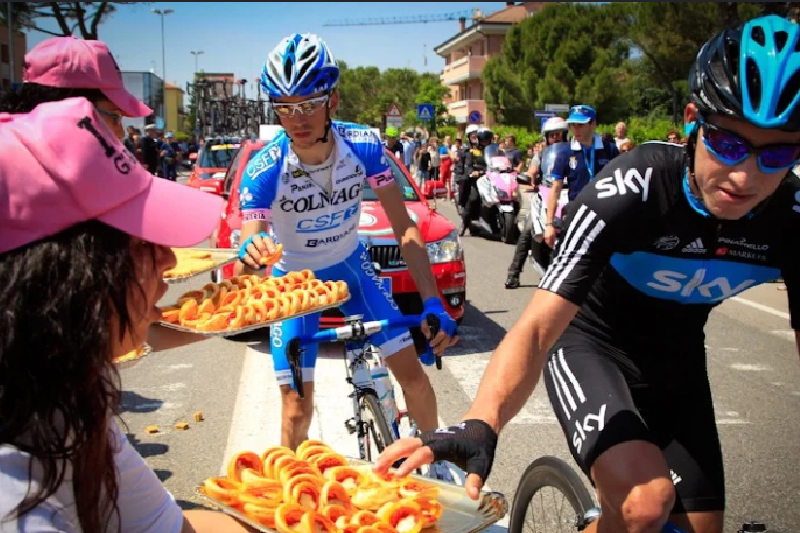
When the conversation turns to hitting 60g of carbs per hour, it is easy to assume you need to spend a fortune on scientifically engineered sports nutrition products. While gels and drink mixes are undeniably convenient — especially during high-intensity efforts where chewing is difficult — they are not mandatory for everyday riding.
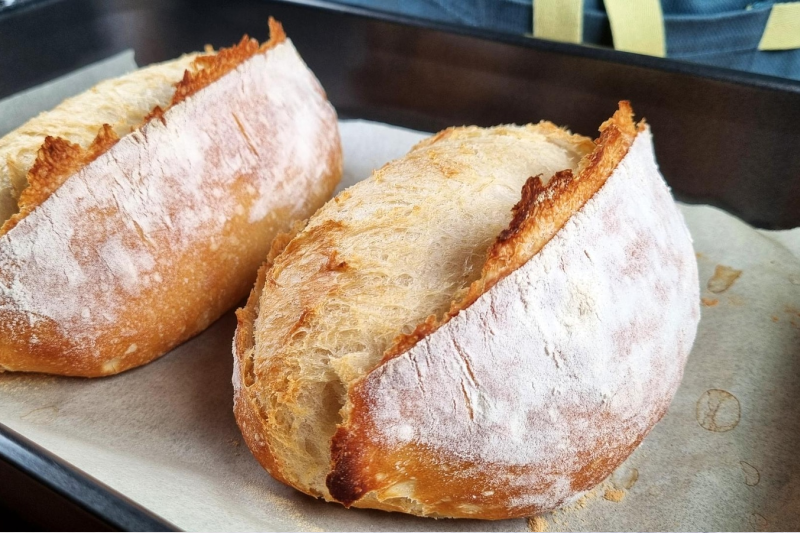
Real food is often easier on the stomach because its higher water content aids gastric emptying and digestion. Bananas, Medjool dates, dried figs, and rice cakes are all excellent sources of easily digestible carbohydrates that have fueled cyclists long before the gel industry existed. The Guide to Nutrition for the Avid Cyclist has long advocated a “food first” approach for recreational riding, and the science continues to support it.
You can also look to your own kitchen. As we explored in our popular article on why cyclists should fuel with more cookies, homemade baked goods often have a macronutrient profile nearly identical to commercial energy bars — but without the artificial binders, emulsifiers, and stabilizers that can cause GI distress during hard efforts. A homemade oatmeal date cookie delivers predictable, smooth-burning carbohydrates at a fraction of the cost.
A Quick Comparison: Real Food vs. Commercial Gels
| Fuel Source | Carbs per Serving | Glucose:Fructose Ratio | Best For |
| Banana (medium) | ~27g | ~1:1 | Easy to moderate rides |
| Medjool date (2 dates) | ~36g | ~1:1 | Long endurance rides |
| Homemade oat cookie | ~25–30g | Variable | Any ride, great for variety |
| Energy gel (standard) | ~22–25g | 2:1 (glucose:fructose) | High-intensity, race-day |
| High-carb drink mix | ~30–40g per bottle | 2:1 or 1:0.8 | Sustained high-intensity efforts |
The bottom line: use real food for moderate rides and save the engineered products for the sessions and events where convenience and precision matter most.
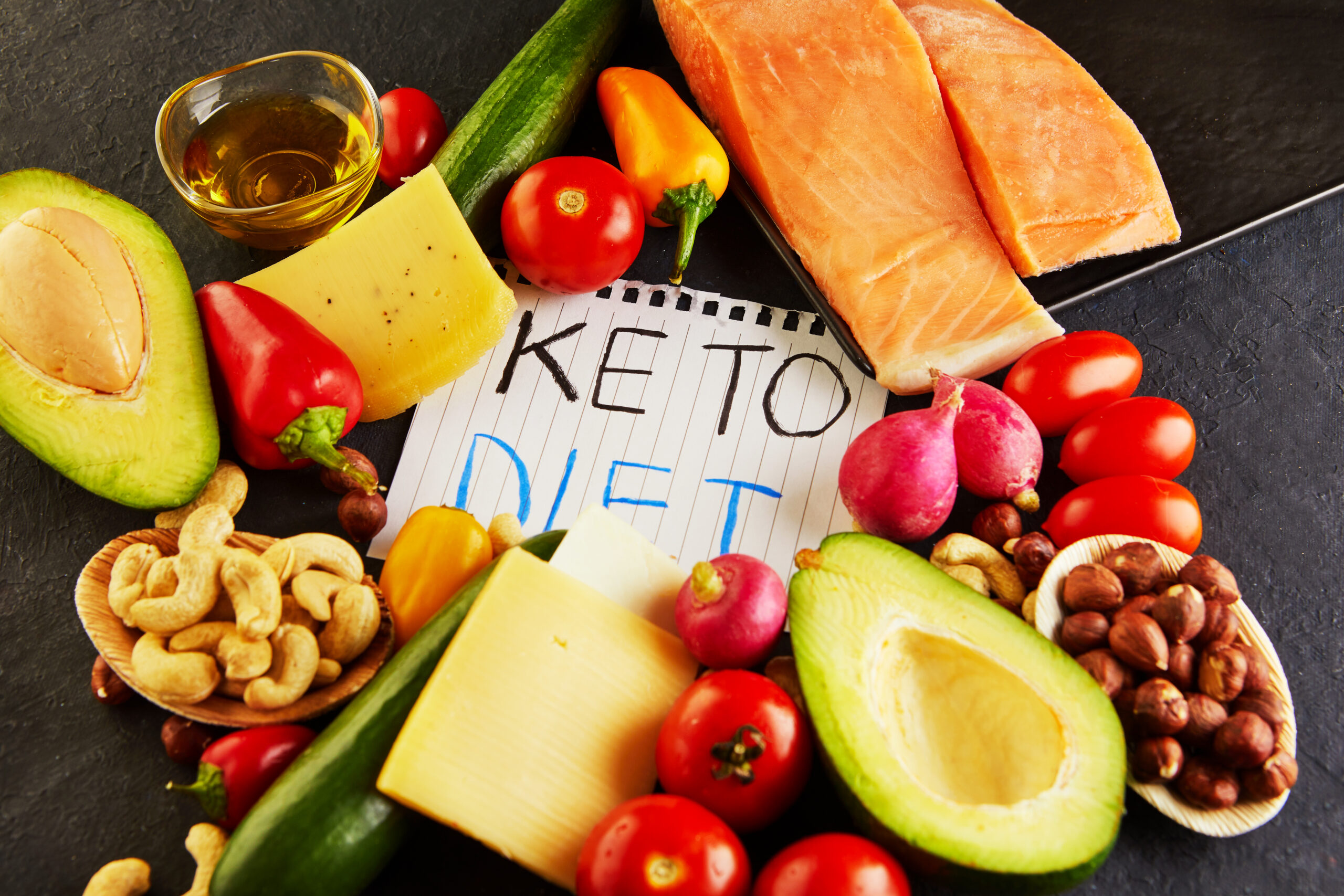
Don’t Forget the Keto Question
With the rise of low-carb and ketogenic diets in cycling culture, it is worth addressing the elephant in the room: Can you fuel your rides on fat instead of carbohydrates?
The short answer is that fat adaptation has a legitimate role in certain training contexts — particularly for very long, low-intensity efforts. However, as we explored in our article on whether a ketogenic diet can fuel cycling performance, the research consistently shows that carbohydrates remain the superior fuel for moderate-to-high intensity cycling. When the pace picks up, the body needs carbohydrates — and no amount of fat adaptation changes that fundamental physiology.
The most effective approach for most avid cyclists is not to choose between carbs and fat, but to use both strategically: build your aerobic base with well-fueled, moderate-intensity rides, and ensure you have adequate carbohydrate available for your harder efforts.
The Big Picture: Stop Underfueling, Start Performing
The new science of cycling nutrition has delivered a clear message: higher carbohydrate intake during endurance exercise leads to better performance, less fatigue, and faster recovery. But the equally important message — one that often gets lost in the headlines about 120g/hr pro protocols — is that this principle scales to every level of cyclist.
You do not need to eat like Tadej Pogačar. You need to stop eating like you are on a diet while asking your body to perform like an athlete.
For most avid recreational cyclists, the practical targets are straightforward: eat something every 15 to 20 minutes on rides longer than 90 minutes, aim for 45 to 75 grams of carbohydrates per hour depending on your intensity, and progressively train your gut to handle that volume comfortably. Whether you fuel with gels, bananas, dates, or homemade cookies, the most important thing is that you actually eat — consistently, proactively, and before you feel hungry.
Because by the time you feel hungry on the bike, you are already behind.