By: Sean Benesh, Contributing Author
The Arizona borderlands is a geographic and cultural region on the northern side of the Arizona-Mexico border. To talk about the borderlands area as a whole transcends the line on the map and is where the two countries meet.
While the topic of the border has been hotly contested in the political theater of this election cycle, the history of the border shows it’s not only been complicated, but the border itself has moved. The Treaty of Guadalupe Hidalgo ended the Mexican-American War in 1848. As a result, the United States purchased land that is now California, Nevada, Utah, and parts of Arizona and New Mexico. Five years later came the Gadsden Purchase, where the U.S. added even more land, which includes where Douglas, Arizona, sits today. While Douglas wasn’t officially incorporated until 1905, that meant if you lived in the area, you went to bed in Mexico, and the next day, you woke up, and the land was now part of the United States.
It’s complicated and yet beautiful at the same time.
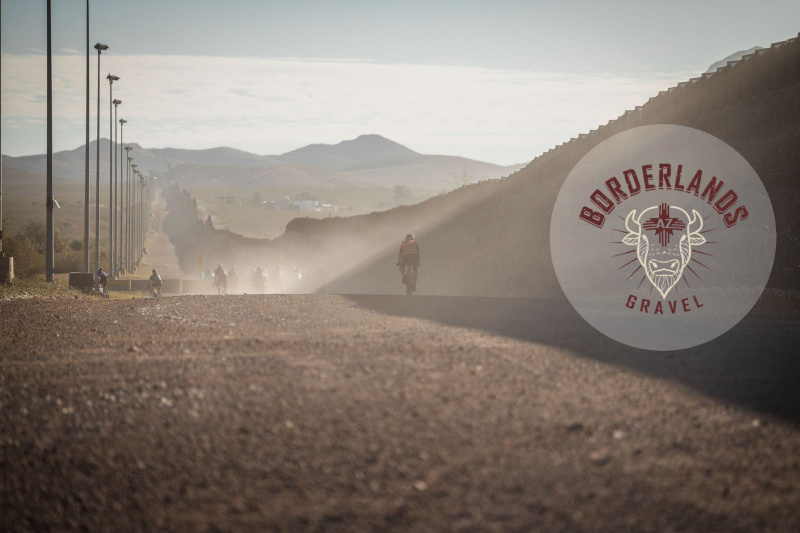
This paints the backdrop for the BorderLands Gravel race that started and finished in the border town of Douglas. Sure, it would’ve been easy to start writing about the race itself, focusing on the course, the mileage, podium winners, and more. However, once the racers left the pavement a short distance outside of town, the gravel road veered south, and the most prominent feature right before our eyes was the Arizona-Mexico border wall. It’s about context.
Sitting just about 4,000 feet in elevation, Douglas exists in the transitional zone between the Sonoran and Chihuahuan Deserts.
One of the questions surrounding the event for me was this: why does an event like BorderLands Gravel matter? Along with that, other questions pop up. What impact does a gravel race in Douglas have? What value or benefit does it bring to the community? Also, why did racers travel, in some cases, great distances to ride and race this stretch of desert gravel roads along the border?
As to why this matters for the community of Douglas, we need to first look at some data.
According to the “2024 Outdoor Participation Trend Report” by the Outdoor Foundation and the Outdoor Industry Association, “In 2023, the outdoor recreation participant base grew 4.1% to a record 175.8 million participants: 57.3% of all Americans aged six and older” (p. 3). Americans continue to get outside to recreate. Even more so, of the 175.8 million participants in outdoor recreation, 17.2% of them recreated on a bicycle. That number equates to 30+ million Americans enjoying the outdoors by bike.
At the same time, as more people recreate outdoors, it is having a positive economic impact. Outdoor adventuring consumers spend $887 billion annually. That results in 7.6 million jobs, $65.3 billion in federal tax revenue, and $59.2 billion in state and local tax revenue. In Arizona, consumers spend $21.2 billion on outdoor recreation, which funds 201,000 jobs, $5.7 billion in wages and salaries, and $1.4 billion in state and local tax revenue.
Lastly, as it pertains specifically to gravel cycling, it has been experiencing an explosion of growth. Not only are innumerable bike brands creating whole lines of gravel-specific bicycles, but races and events like BorderLands Gravel are on the rise. According to Strava, there’s been a spike in logged trips for gravel cycling. Jim Cotton (2024) states, “Strava’s report highlights a 55 percent global increase in the dirt-surface sport, with a 48 percent increase among U.S. users of the platform (para. 3). Simply put, more people are enjoying the outdoors on gravel bikes.
For communities across Arizona, there’s an impetus to strategically and thoughtfully tap into the resource of capturing spending on outdoor recreation. That’s why events like BorderLands Gravel matter for a community like Douglas.
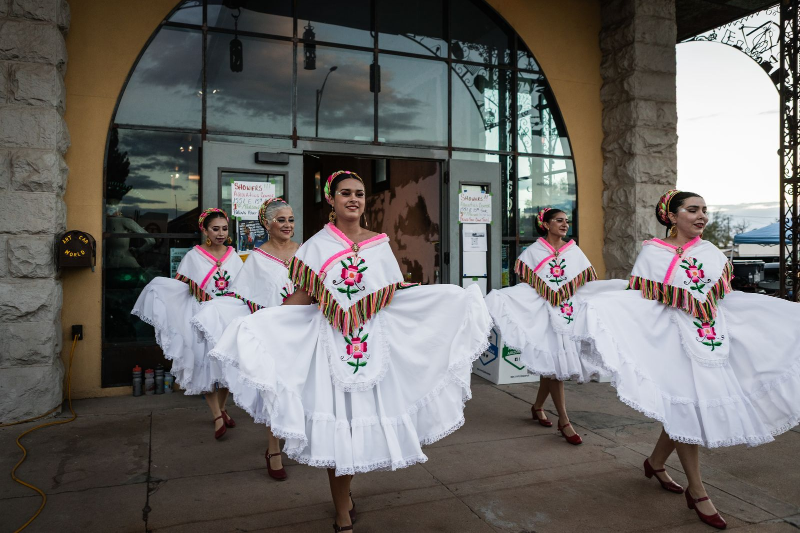
While Douglas has a stable employment base due to its shared border with Agua Prieta, one of the challenges is its rural location. However, where some see challenges or even weaknesses, others see opportunities. Suppose you’re going to host a gravel cycling race. In that case, you need some basic agreements that Douglas has in abundance … miles of gravel roads, stunning desert scenery, mild temperatures, the City of Douglas staff on board, and innumerable stakeholders, agencies, and landowners linking arms to make the race happen. In other words, the whole community was on board and behind it. Even more so, you need a visionary spearheading the event and tethering together all of these pieces and relationships. That’s why race organizer Mike Miller is the straw that stirs this drink.
However, it’s more than the economic impact; it’s about showcasing the community of Douglas and the beautiful surrounding landscape.
As Mike Miller dreamed of this event, Douglas became the unexpected destination for a premier gravel cycling event, thanks to the storied Gadsden Hotel. Inspired by the hotel’s historic charm, the vision for a gravel bike race on the iconic Geronimo Trail began to take shape. The process kicked off on November 2023, with a meeting between Mike and the Gadsden Hotel’s General Manager, followed by discussions with local tourism and city officials. By January 2024, the concept had gained official backing, setting the stage for an event that would showcase Douglas’s rich heritage and rugged terrain.
From the outset, it was clear that Douglas had the infrastructure and potential to host a world-class gravel event. Drawing on Southern Arizona’s reputation as a premier gravel biking destination, Mike pursued partnerships with stakeholders ranging from the City of Douglas to regional organizations, businesses, and even international entities across the border in Agua Prieta, Mexico. A professional business plan grounded in years of entrepreneurial experience and collaboration ensured alignment and support from all involved. With a focus on community engagement, consistent communication, and delivering above expectations, the groundwork was laid for the first race on November 16, 2024, and the second on on November 15, 2025.
Building a cohesive, experienced event team was critical to launching the inaugural event successfully. From course mapping to registration, sound production, and on-course support, every aspect was meticulously planned, drawing on expertise from the mountain biking community. While profitability was never the driving force, Mike’s passion for creating a memorable, unique experience remains evident.
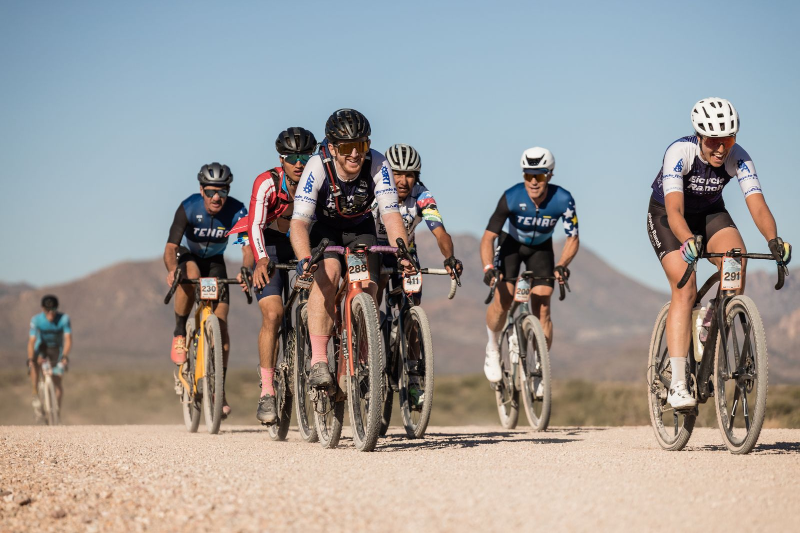
As racers leave Douglas they make a right-hand turn onto the Geronimo Trail Road. Since the region’s history bubbles up constantly as if from a massive aquifer of shared memories of events and people from the past, even something seemingly benign, like the name of a road, means something. Geronimo Trail Road. But it’s more than a road.
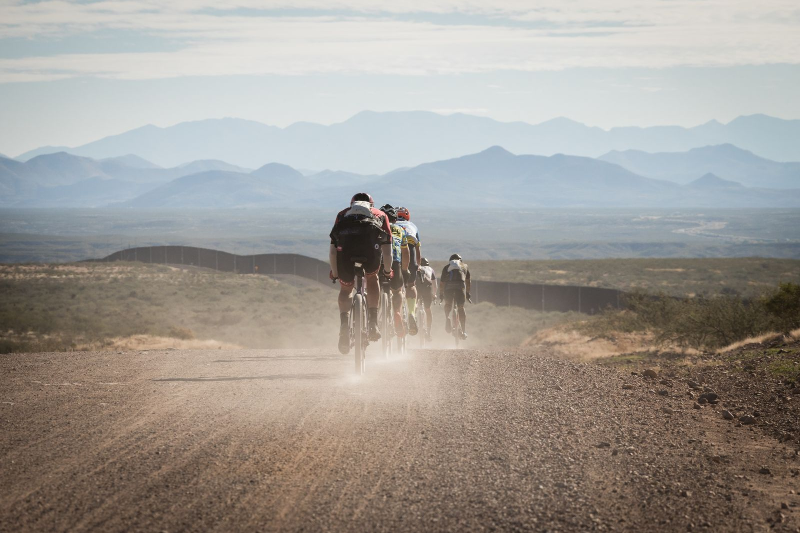
In her article “Geronimo Trail,” Kathy Montgomery points out, “The Geronimo Trail in Southern Arizona feels as remote as just about any drive in Arizona. But it wasn’t always that way. The route once was a major migration corridor for Apache Indians, as well as Spanish explorers, missionaries, Mormons and Mexican revolutionaries, just to name a few” (para. 1). Starting in Douglas, the Geronimo Trail extends for 80 miles to Animas, New Mexico. It was along this historic route that racers tackled stiff headwinds and friendly competition.
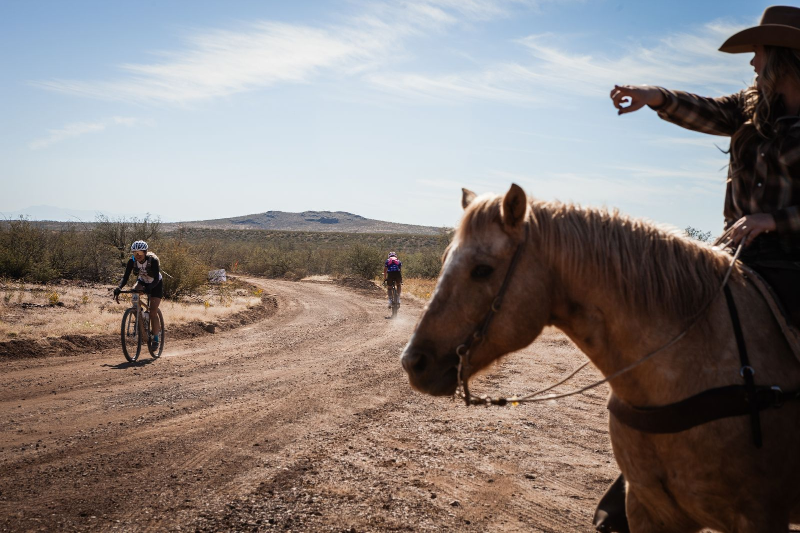
During the race, my role as a photographer was to capture the event through my lens. That meant testing the limits of my SUV rental that I picked up at the Tucson airport. For most of the race course, the road was kept up and graded. Throughout the day, I’d drive, stop, hop out of my SUV, and take photos of racers pedaling toward me or away.
The Geronimo Trail paralleled the border wall for the first 22 miles of the race. The racers then wove their way through John Slaughter Ranch and the San Bernardino National Wildlife Refuge and before the road shot in an NE direction to weave its way to the New Mexico border. Those who opted for the long route would turn around at the New Mexico border.
One of the parts of this race that is compelling is its remoteness. In her article “Trips & Trails: Geronimo Trail,” Eva Rupert shares, “Stretching over 80 miles from Douglas, Arizona, to Animas, New Mexico, you’ll feel like you’re in the middle of nowhere” (para. 2). For many who ventured to race along this stretch of a historical route, the sense of vastness and isolation was appealing. Only on occasion would we see people in either trucks or ATVs, but for the most part, we were the only ones out along this stretch of road. If you’re going to put on a gravel race, it has to be challenging, remote, and beautiful.
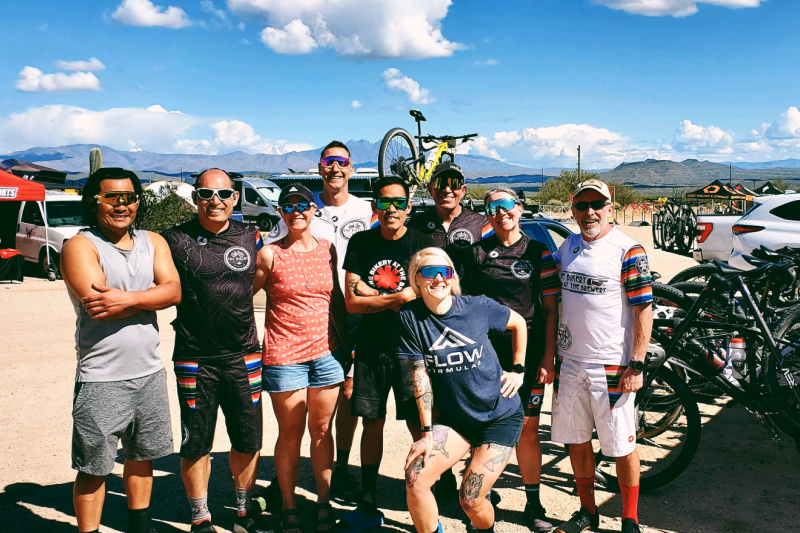
Many of the racers I chatted with enjoyed the challenge of the race, the location, and the hospitality of Douglas. While most racers I talked with lived in Arizona, they hadn’t ever made their way to Douglas. If they were traveling to this part of the state, they’d get as far as the nearby historic mining town of Bisbee, and that was it. Douglas was now on their radar.
In marketing, we often talk about the sales funnel. In most models, examples, or images of sales funnels you can find scattered across the internet, the top of the funnel is usually AWARENESS. If you’re selling a product or service, the first step is for people to know who you are and what you offer. That means, until then, no one will make a purchase simply because they don’t know you exist.
Douglas and the surrounding borderlands are hidden gems many have yet to discover. Races like BorderLands Gravel are great ways to elevate awareness and introduce people to this vibrant community with spectacular scenery and amazing people. Oh, and don’t forget food. Douglas has some of the best Mexican food in the country.
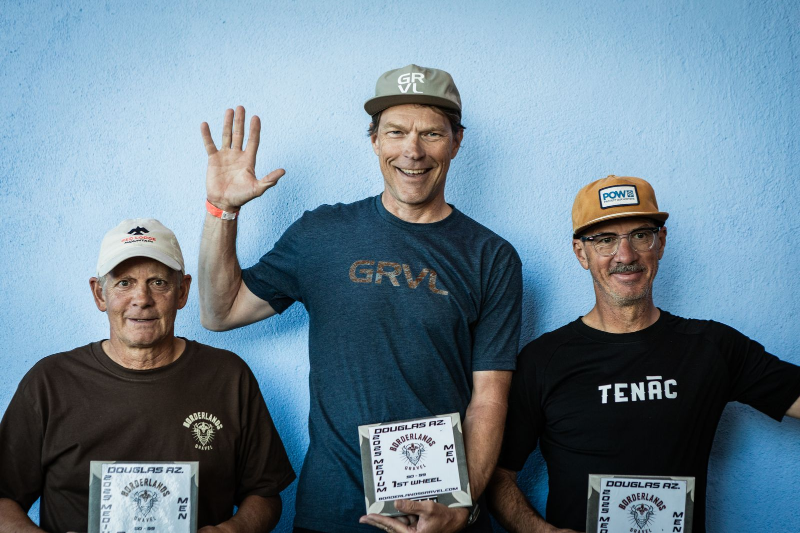
In between the race and the awards ceremony, I was rewarded by my search for a breakfast burrito. Sitting a mere 10-minute walk from the border, I was reminded of the importance of understanding Douglas in its context. That includes its geographical setting, the fact that it shares a border with Agua Prieta, and its culture and economy that are tethered together. Its historical context makes it unique as we look at the shared past with Spanish missionaries and explorers, miners, cattle ranchers, Mexican revolutionaries, and more.
And now? We can add gravel racers to the list. If you missed the race this year, the next race will be on November 14, 2026.
References:
Cotton, J. (2024b, January 3). Go gravel, go home: Strava “trend report” for 2023 shows 55 percent growth in gravel riding. Velo. https://velo.outsideonline.com/news/go-gravel-go-home-strava-trend-report-for-2023-shows-55-percent-growth-in-gravel-riding/
Howard, J. (2021, September 9). Our economic development team at work in Douglas, Arizona.
Smart Growth America. https://smartgrowthamerica.org/our-economic-development-team-at-work-in-douglas-arizona/
Montgomery, K. (n.d.). Geronimo Trail. Arizona Highways. https://www.arizonahighways.com/geronimo-trail
Outdoor Industry Association. (n.d.). Arizona.
Outdoor Industry Association. (2024). 2024 Outdoor Participation Trends Report: Executive
Summary.
Rupert, E. (2021, June 8). Trips & trails: Geronimo Trail. Overland Expo®. https://www.overlandexpo.com/compass/overlanding-trips-trails-geronimo-trail/
By: Sean Benesh, Contributing Author