By: Kurt Schellenberger,
Walt’s Bike Shop, Columbia, Missouri
As the calendar flips to a new year, many of us look for fresh starts and new adventures. If you’re an average cyclist, this is the ideal moment to try something you’ve always wondered about—racing. And here’s the truth: you don’t have to be fast to race. In fact, most cycling races are about community, growth, and shared experiences far more than competition.
Racing is for Everyone
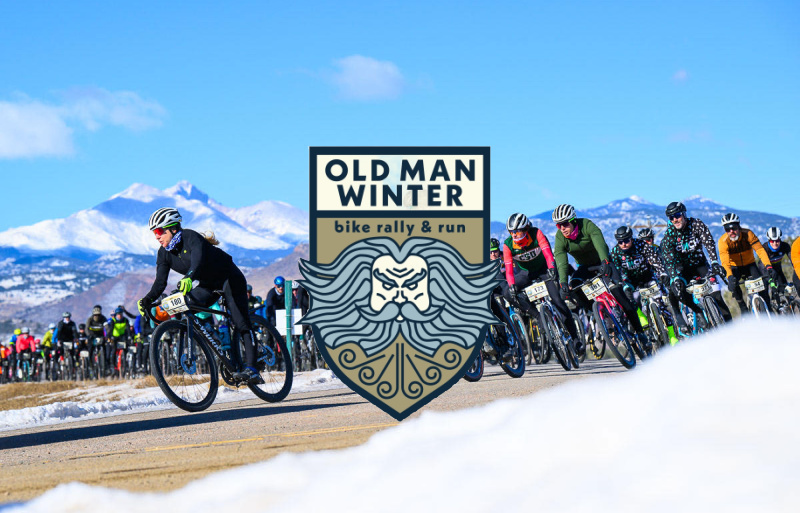
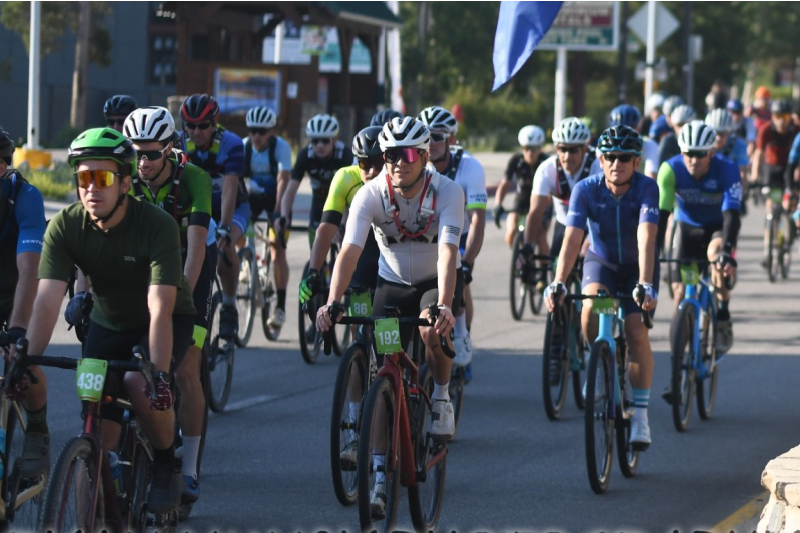
Here’s a secret: most people at the starting line aren’t there to win. They’re there because racing brings people together. Whether you’re young or old, new to cycling or a seasoned rider, there’s a place for you. Many races are divided into categories based on experience, not speed, which means you’ll be riding alongside people just like you.
The Community is the Heart of Racing
At its core, amateur racing is about community. It’s about the high-fives after a tough climb, the shared laughter on group rides, and the friendships that form over post-race beers. You’ll find mentors willing to help you learn the ropes, fellow racers cheering you on, and a supportive environment where everyone remembers their first race jitters.
Racing Grows Your Confidence
Signing up for your first race isn’t about being the fastest. It’s about showing up, challenging yourself, and embracing the thrill of the ride. Each race is a chance to push your own limits, learn new skills, and celebrate small victories—like finishing a course you thought was impossible.
Your Pace, Your Race
Don’t worry about where you’ll finish. Most amateur races are designed so everyone can participate and enjoy the experience. Whether you’re sprinting for the finish or rolling in with friends, you’re part of the same event. The only requirement is a willingness to try.
Make This Year Your Starting Line
Let this new year be your invitation to try something bold. Racing is an incredible way to connect with others, explore your limits, and celebrate cycling in a whole new way. You don’t need to be the fastest. You just need to take that first pedal stroke onto the starting line.
By: Kurt Schellenberger