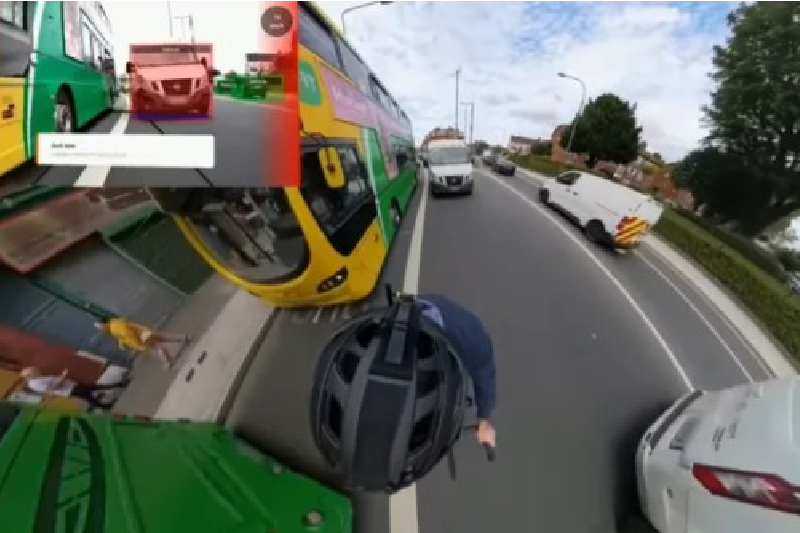
The tech aims to provide cyclists with never-before-seen levels of situational awareness.
Helmet cameras (or bicycle-mounted cameras) are nothing new. They’ve become an essential element of city cycling in a world where it seems like every car, truck and bus driver loves to hate cyclists. But now a new start-up, Luna Systems, is attempting to take bicycle cameras to the next level, raising them from simply documenting road hazards, to actively monitoring and warning you of potential dangers.
The new Luna Oculus camera harnesses the power of AI to provide “greater situational awareness through detection of blind spots, close passes, and headway distances”.
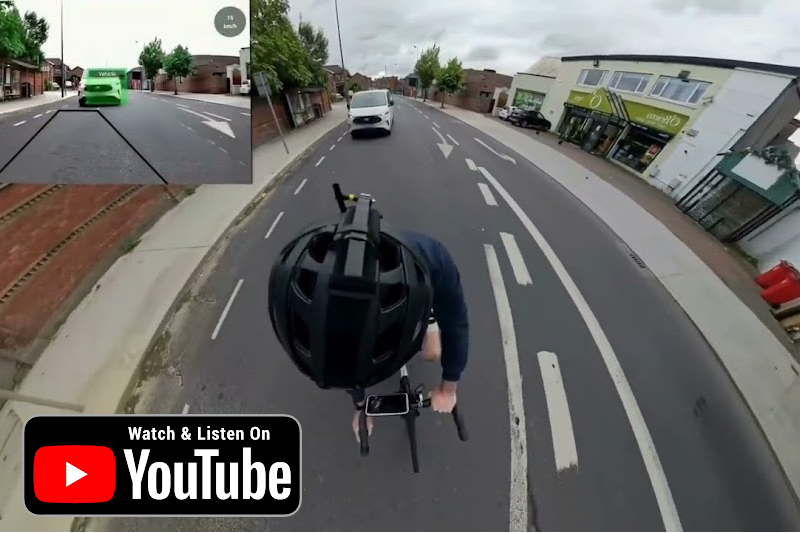
Exact camera details are still unknown, but at the core of the system is a rear-facing camera that connects to a companion smartphone app (a separate, conventional helmet cam was used to film the promo video). AI then identifies nearby vehicles, pedestrians, potential obstacles and even potholes. This information is relayed in real time to a camera feed with overlays that’s displayed on a handlebar-mounted phone, with audio alerts providing additional feedback. The rider then benefits from proximity warnings, collision and pothole warnings, intelligent evidence recording, post-ride mapping of incidents, and blackspot identification. The tech aims to provide a cycle-specific take on the kind of safety systems we now see built into modern cars, like blind spot monitoring and forward collision detection.
Apparently Luna Systems has raised €1.5m in funding to bring to market this new camera safety system for cyclists and motorcyclists, with retail availability said to be coming later this year. Luna Systems’ CEO Andrew Fleury states that “Six in ten people are still too afraid to cycle in their area”. “In most countries, people will wait years for perfect cycling infrastructure. Meanwhile, technology is already here that can play a huge role in bridging that gap, helping everyone feel safer as they move through their city.

AI-powered cycling cameras are certainly intriguing, but as cyclist myself who’s no stranger to city riding, I remain to be convinced that a smart camera would really make it appreciably safer to mix with vehicular traffic. Ultimately, even with the help and early warnings from AI, cyclists are always vulnerable to drivers of motor vehicles. While it’s useful to be able to video potential incidents as you ride, it won’t stop you getting hurt if a collision was to happen. Ultimately, the only way to effectively minimize this risk remains to create segregated cycling infrastructure.