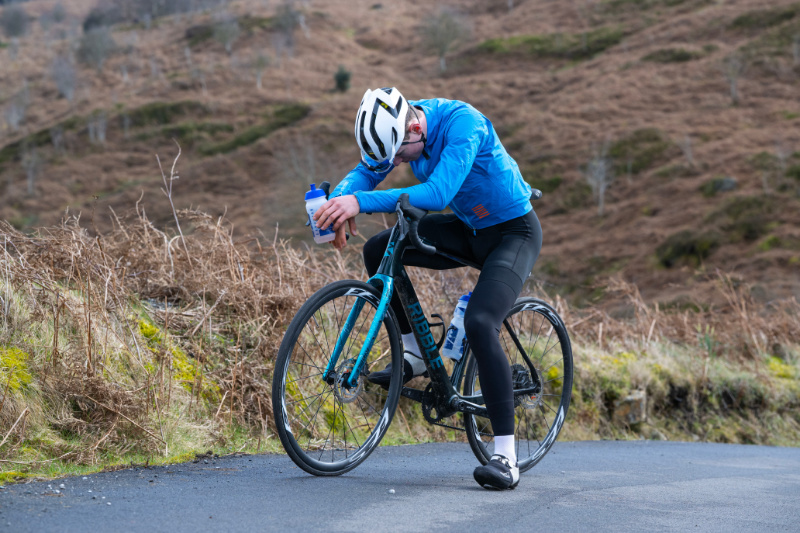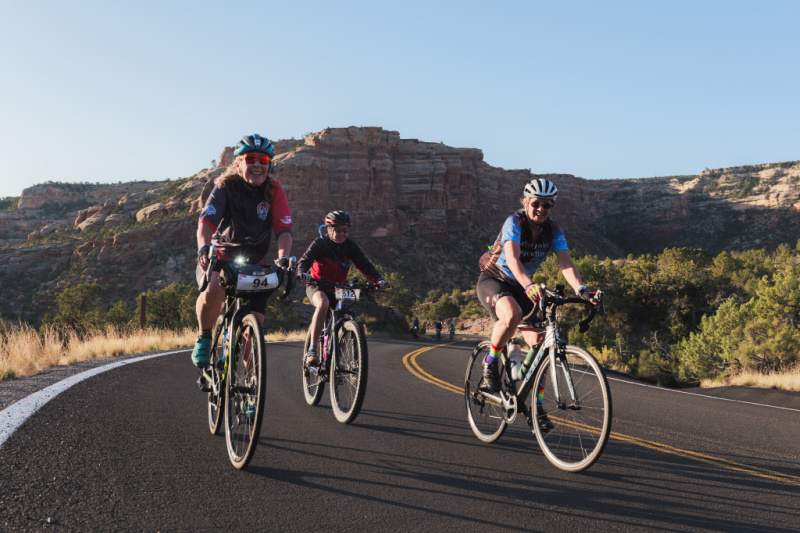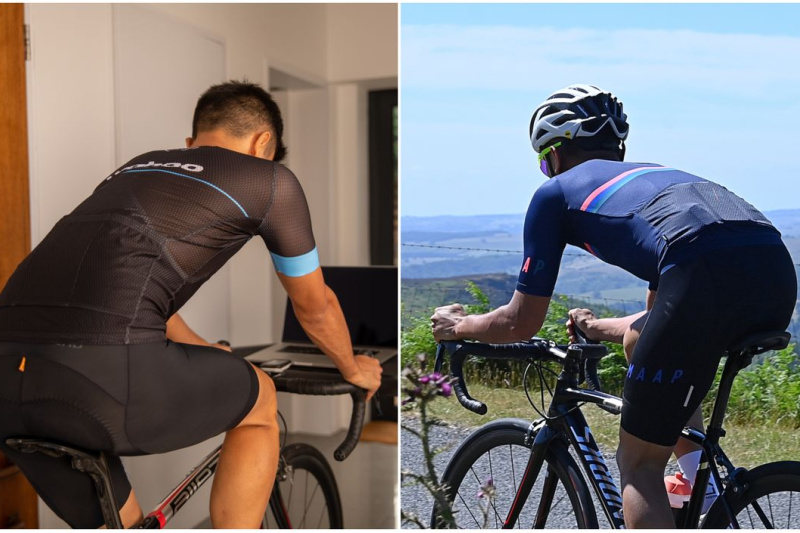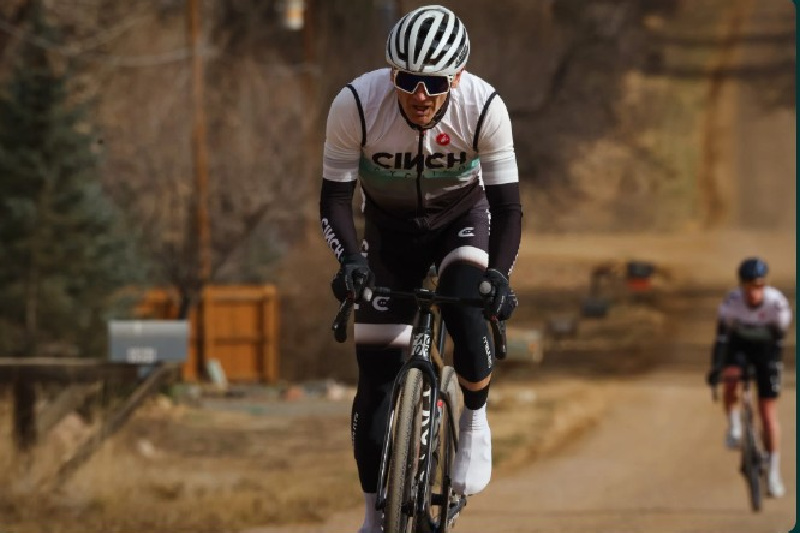
Summer cycling presents a unique set of challenges, from scorching asphalt to relentless humidity. While many cyclists dread the rising temperatures, smart preparation can transform these conditions into a performance advantage. The key lies in heat acclimation cycling, a physiological adaptation process that enhances your body’s ability to cope with heat stress. This article outlines a smarter, actionable 14-day training approach to help you not just survive, but thrive, during your summer rides and races.
Why Heat Acclimation Matters for Cyclists
When you train in the heat, your body undergoes several remarkable adaptations. Your plasma volume increases, leading to a more efficient cardiovascular system and a lower heart rate at a given intensity. Your sweat rate improves, becoming more effective at cooling your body, and your sweat becomes less concentrated, conserving vital electrolytes. These physiological changes collectively reduce the strain on your body, allowing you to maintain higher power outputs for longer durations, delay fatigue, and significantly lower the risk of heat-related illnesses. For any cyclist serious about summer performance, understanding and implementing effective heat acclimation cycling strategies is non-negotiable.
The AvidCyclist 14-Day Heat Acclimation Protocol
This structured 14-day protocol is designed to progressively expose your body to heat, allowing for optimal adaptation without overstressing your system. Consistency and careful monitoring are paramount.

Phase 1: Gradual Exposure (Days 1-5)
Begin with shorter, lower-intensity rides in the heat. Aim for 60-90 minutes at a conversational pace, ideally during the warmer parts of the day. The goal here is to initiate the adaptation process gently. Focus intensely on hydration, consuming fluids before, during, and immediately after your rides. Avoid pushing too hard; listen to your body and prioritize safety over speed.
Phase 2: Increasing Duration and Intensity (Days 6-10)
As your body starts to adapt, gradually increase the duration of your rides to 90-120 minutes and introduce moderate intensity efforts. This could include tempo intervals or sustained efforts at your sweet spot power. Continue to pay meticulous attention to your hydration and electrolyte intake. This phase is crucial for solidifying the physiological changes initiated in Phase 1. Monitor your heart rate and perceived exertion closely, noting how your body responds to the increased demands.
Phase 3: Maintenance and Race Simulation (Days 11-14)
In the final phase, maintain your heat exposure with rides of similar duration and intensity to Phase 2. If you have a specific event or race, use these days to simulate race conditions, including your planned nutrition and hydration strategies. This helps fine-tune your approach under race-day heat stress. The adaptations from heat acclimation cycling should now be well-established, providing a robust foundation for your summer performance.
Key Considerations for Effective Heat Acclimation Cycling
Successful heat acclimation extends beyond just riding in the sun. Several factors play a critical role in maximizing your adaptations and ensuring your safety.
Hydration and Electrolytes
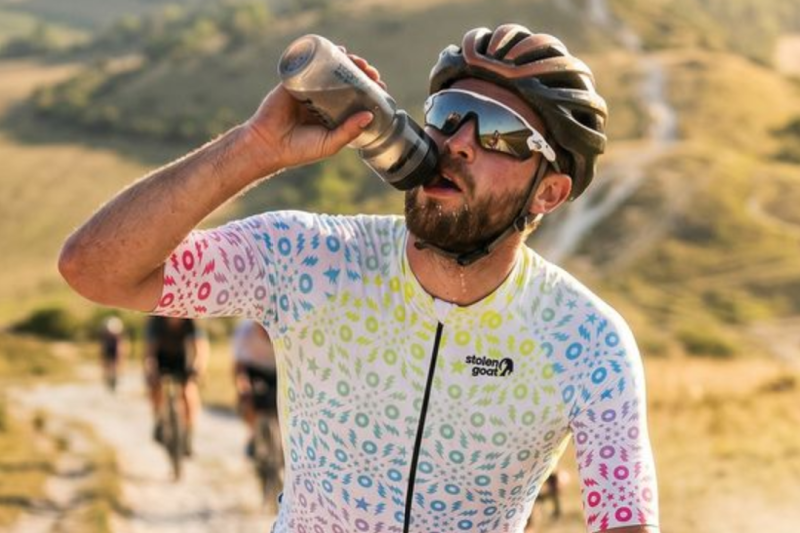
This cannot be overstated. Start rides well-hydrated, consume 500-1000ml of fluid per hour during your ride (depending on sweat rate and conditions), and rehydrate thoroughly afterward. Electrolyte drinks are essential to replace sodium, potassium, and other minerals lost through sweat, preventing cramping and maintaining fluid balance. Neglecting this aspect can severely hinder your acclimation and performance.
Nutrition
Opt for easily digestible carbohydrates and lean proteins. Avoid heavy, fatty meals close to your ride, as they can divert blood flow to the digestive system, away from cooling mechanisms. Experiment with different on-bike nutrition strategies during your acclimation period to find what works best for you in the heat.
Monitoring and Safety
Always listen to your body. Signs of heat stress include dizziness, nausea, excessive fatigue, and confusion. If you experience any of these, stop immediately, seek shade, and cool down. Training with a partner and having an emergency plan are always good practices. Remember, pushing too hard in the heat can be dangerous and counterproductive. For more essential recovery tips to tackle heavy legs after intense rides, check out our guide on essential recovery tips for every cyclist.
Gear and Clothing
Choose lightweight, breathable cycling apparel that wicks sweat away from your skin. Light-colored clothing reflects sunlight, helping to keep you cooler. A well-ventilated helmet is also crucial for head cooling.
Beyond the 14 Days: Maintaining Your Edge
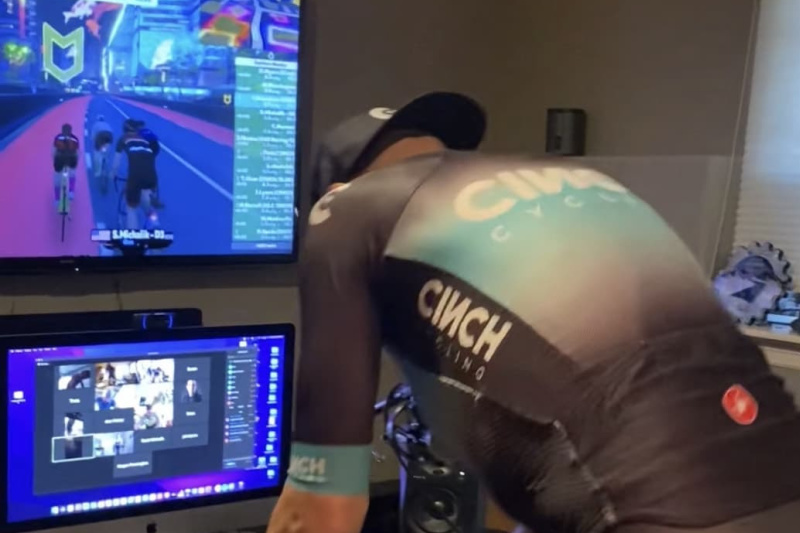
Heat acclimation is not a permanent state; it requires consistent exposure to maintain. After your initial 14-day protocol, aim for at least 2-3 heat exposures per week to retain your adaptations. These can be shorter rides or even indoor trainer sessions in a warm room. As the seasons change, remember that your body will de-acclimate, so be prepared to re-engage in heat acclimation cycling when temperatures rise again.
Embracing heat acclimation cycling is a powerful strategy for any cyclist looking to optimize their performance and safety during the summer months. By following a structured 14-day approach, focusing on hydration, nutrition, and careful monitoring, you can transform challenging conditions into an opportunity for growth. Ride smarter, stay safer, and enjoy a stronger summer on two wheels.