Whether you are embarking on a long endurance effort with friends, lining up for a race, or pushing through a rigorous interval session, what you eat before you ride sets the stage for your performance. Proper fueling is essential for maintaining high energy levels and keeping your blood sugar stable from start to finish. However, there is no one-size-fits-all approach to cycling nutrition. Both the distance and the intensity of your ride should dictate your pre-ride meal strategy.
For a shorter ride lasting 45 minutes or less, your standard daily meals and snacks are usually sufficient to power you through. However, if you are planning a high-intensity effort or a ride exceeding 90 minutes, such as a competitive race or a long endurance event, adopting a more structured fueling strategy—like carb-loading two to three days in advance—can offer significant benefits.
While individual food tolerances play a major role in what works best, there are universal nutrition principles that all cyclists can benefit from. For instance, even if your digestive system can handle high-fat foods like heavy meats or cheeses, it is generally advised to avoid them in the hours leading up to moderate- or high-intensity exercise. Just because you can eat a heavy meal before clipping in does not mean it will enhance your performance.
Understanding timing, portion sizes, and the right balance of macronutrients can seem daunting. To simplify your strategy, we have broken down the best practices for pre-ride nutrition, offering specific guidelines to help you optimize your energy and minimize digestive issues.
3 to 7 Days Before Your Ride
In the week leading up to a significant ride, consistency is key. Eating balanced meals at regular intervals helps prepare your body for the upcoming physical exertion. During this period, aim to consume between 225 and 400 grams of carbohydrates daily, depending on your body weight and training volume.
This is the time to prioritize nutrient-dense whole foods and avoid greasy, fried, or overly fatty options. Instead, focus on fresh fruits, whole grains, and a variety of starchy and non-starchy vegetables. Excellent choices include spinach, broccoli, beans, potatoes, sweet potatoes, and mushrooms. These foods act as high-quality fuel for your engine, providing essential nutrients and phytochemicals that also support your recovery process.
Consider these specific dietary guidelines for the days leading up to your ride:
•Balance Your Plate: Aim for meals consisting of 25 to 30 percent protein, 20 to 25 percent non-starchy vegetables, and 45 to 55 percent starchy carbohydrates like rice, pasta, breads, and potatoes.
•Prioritize Veggies: Include 1 to 1.5 cups of cooked vegetables in at least two meals each day.
•Stock Up on Carbs: Incorporate 1.5 to 2.5 cups of cooked grains, cereals, or breads into three or four meals daily.
•Eat Fresh Fruit: Consume two to three servings of fresh or frozen fruit every day.
•Limit Processed Meats: Avoid high-fat processed options like sausage and bacon.
•Snack Smart: Opt for nutrient-rich nuts and seeds, such as almonds, walnuts, pumpkin seeds, and chia seeds, which provide healthy fats and aid in recovery.
1 to 2 Days Before Your Ride
As you get closer to your ride, it is beneficial to reduce your intake of high-fiber foods while increasing your carbohydrate consumption. This is the traditional carb-loading phase, where you should aim for 300 to 500 grams of carbohydrates (or more) per day. Starchy foods like beets, winter squash, and especially potatoes are excellent choices, as they also provide valuable potassium and vitamin C.
Meal sizing also becomes important during this window. A smart strategy is to make lunch your largest meal of the day, followed by a substantial snack, and then a smaller dinner. This approach can help ensure a better night’s sleep before your big day.
At this stage, your meals should shift to approximately 25 to 35 percent protein, less than 25 percent non-starchy vegetables, and 50 to 65 percent starchy carbohydrates. A great pre-ride lunch might include 4 to 6 ounces of grilled chicken or salmon, half a cup of steamed broccoli, and 2 cups of rice.
3 to 4 Hours Before Your Ride
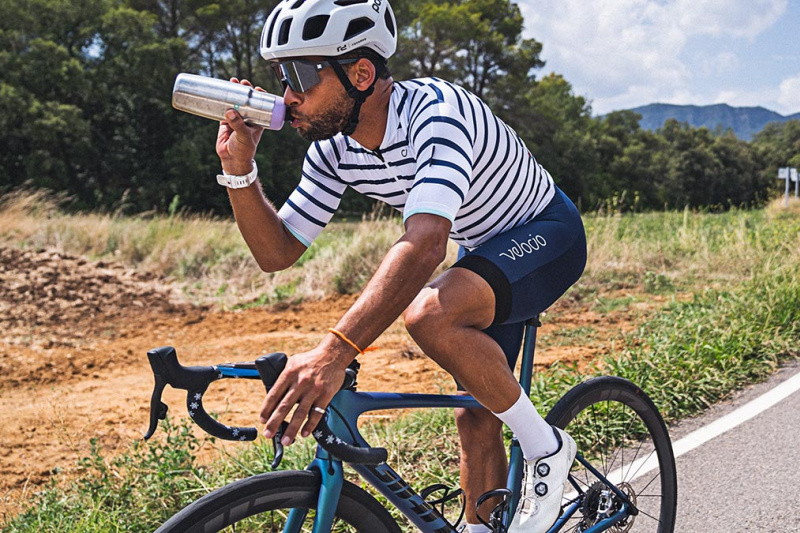
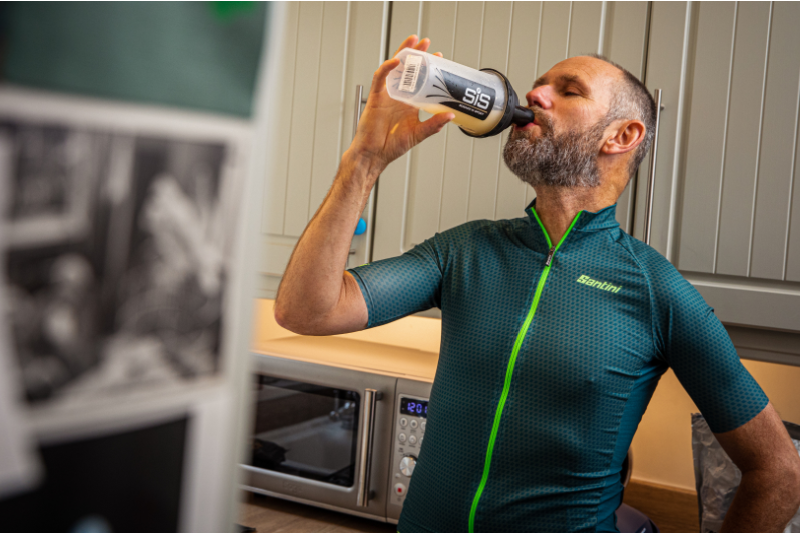
This window is crucial for both nutrition and hydration. A good rule of thumb for daily hydration is to drink half your body weight in fluid ounces. However, in the hours immediately preceding your ride, aiming for 16 to 20 ounces of water is ideal.
Your pre-ride meal should be balanced but heavily focused on carbohydrates, with moderate protein and low amounts of fat and fiber to prevent gastrointestinal distress. This combination provides sustained energy without causing significant spikes or drops in blood sugar.
A solid breakfast option could be pancakes with syrup alongside a serving of Greek yogurt or low-fat cottage cheese for protein. It is a common misconception that protein is the primary fuel needed before exercise; in reality, carbohydrates are your body’s preferred energy source.
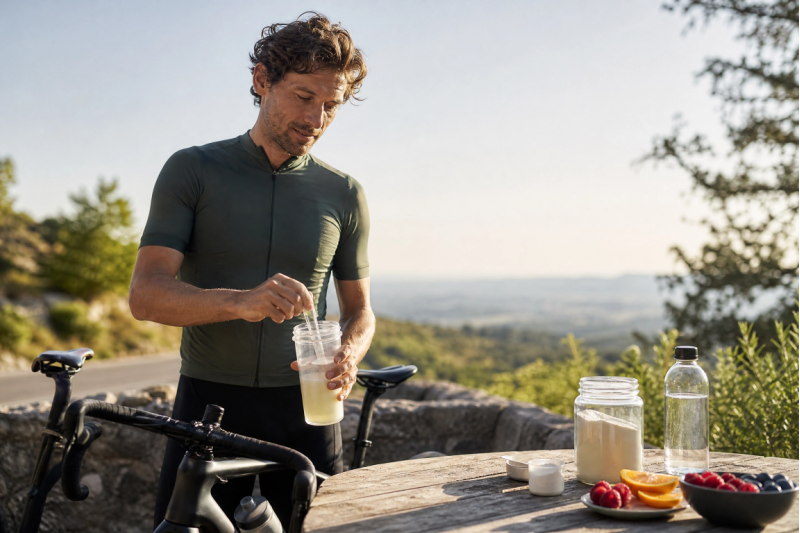
In the two hours before you start pedaling, aim to consume about 1 gram of carbohydrates per pound of body weight, paired with a minimal amount of protein (roughly 2 grams of protein for every 10 grams of carbs). A fruit smoothie made with a banana, berries, a small handful of almonds, and a scoop of protein powder is a perfect choice. For more morning inspiration, check out these 10 breakfast ideas before going on a bike ride.
60 to 90 Minutes Before Your Ride
With just an hour or so until you hit the road, your goal is to top off your energy stores without upsetting your stomach. Focus on a nutrient-dense snack that is rich in simple carbohydrates with a very small amount of protein or healthy fat. A rice cake topped with sliced banana and a thin layer of peanut butter is an excellent option.
Additionally, incorporating a slightly salty snack, such as salted crackers or salted nut butter, can help your body retain fluids before you begin sweating on the bike.
10 to 20 Minutes Before Your Ride
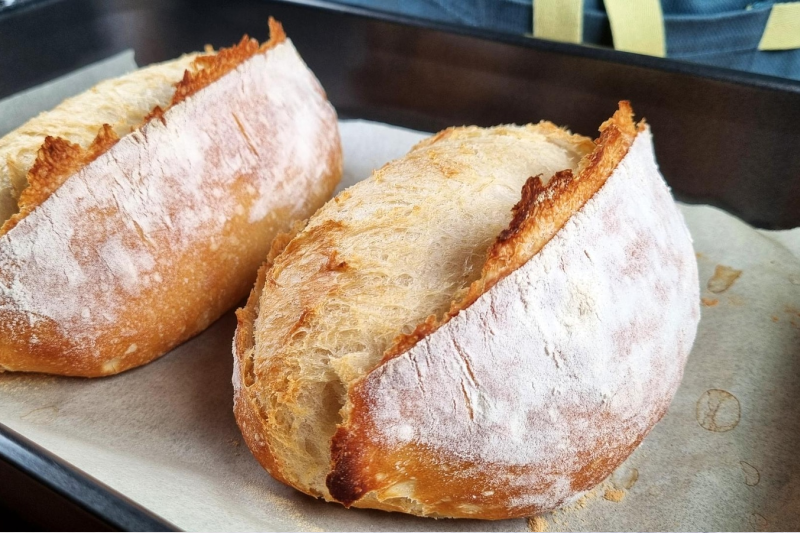
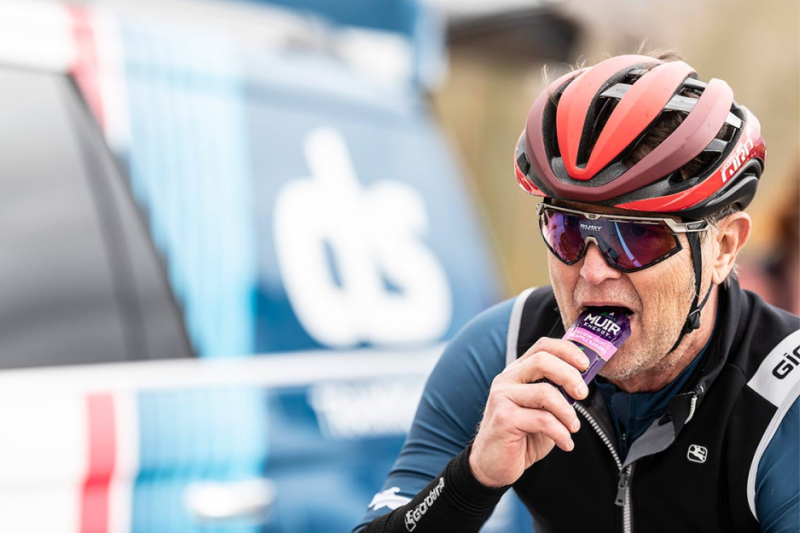
In the final minutes before you start, grab a quick, easily digestible carbohydrate snack and a few sips of water. Options like a slice of toast, energy chews, or a sports gel are perfect for a rapid energy boost. It is critical to avoid high-fat and high-fiber foods this close to your ride, as they take much longer to digest and can cause severe stomach cramps once you start exercising.
While eating right before a ride might seem counterintuitive, many cyclists find themselves under-fueled, especially during the first hour of a demanding effort. Finding a simple carbohydrate source that your body tolerates well can make all the difference, ensuring you have the energy to push through to the finish line. For more insights on maximizing your performance, explore how to properly fuel your ride and discover the best superfoods for cyclists.