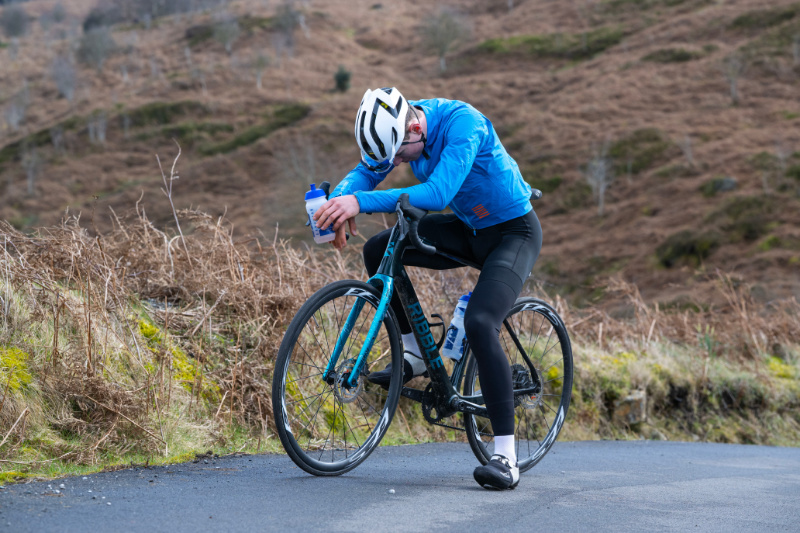
It happens to almost every rider at some point in late August. You wake up, look at your bike, and feel… absolutely nothing. Or worse, you feel a sense of dread. Your legs feel heavy walking up the stairs, your heart rate struggles to rise during a warm-up, and the thought of another structured interval session makes you want to sell your power meter.
Welcome to the late-summer slump. The initial excitement of spring and the long, sweaty miles of summer have compounded into a heavy blanket of physical and mental fatigue. The heat stress of July and the schedule burnout of trying to fit long rides into busy weekends have finally caught up with you.
But there is good news: prime fall riding weather and late-season events—like that gravel race, gran fondo, or cyclocross opener—are just weeks away. You don’t need a massive training block to save your fall season. In fact, you need the opposite. You need a structured, 14-day reset that prioritizes recovery, easy endurance, one quality session, and a return to joy before safely ramping the load back up.

Before we begin, a crucial caveat: This 14-day plan is a general guideline for functional overreaching or general fatigue, not prescriptive medical advice for diagnosed Overtraining Syndrome. True overtraining syndrome is characterized by a decline in performance despite continued training, often accompanied by psychological staleness [](#ref1), and can take months to resolve. If you experience a chronic elevated resting heart rate, severe mood changes, or persistent illness, consult a medical professional immediately [](#ref1).
Phase 1: The Hard Stop (Days 1-4)
The first four days of this reset are about pure recovery and mental detachment. Short-term recovery interventions, including significant volume reductions through tapering or resting, can restore hormonal balance and neuromuscular function within one to two weeks [](#ref2).
The primary rules for Phase 1 are simple: no structured workouts, no heart rate monitors, and absolutely no power meters.
Your activities should be limited to complete rest or very light active recovery. Think of a 30-minute spin to the local coffee shop in your street clothes, some gentle stretching, or a walk around the neighborhood. The goal is blood flow, not fitness.
During this phase, pay close attention to your sleep hygiene and nutrition. Ensure you are getting adequate carbohydrate intake to replenish those deeply depleted glycogen stores. Now is not the time to restrict calories. For more on optimizing your post-ride nutrition when you do return to training, review our guide to mastering the timing and choice of recovery drinks. And while you’re off the bike, it’s the perfect opportunity to run through a late-summer bike maintenance checklist so your equipment is as fresh as your legs will soon be.
Phase 2: Re-Engaging the Engine (Days 5-9)

Recovery days can include light mobility and routine movement without turning rest into another hard workout.
By day five, you should be feeling a bit more energetic. Phase 2 shifts the focus to easy endurance and rediscovering the joy of riding.
The strict rule for these five days is that all rides must remain strictly in Zone 2. This means a conversational pace. If you are breathing hard enough that you cannot speak in full sentences, you are going too hard.
Keep your rides to 60 to 90 minutes. Explore new routes, ride with a friend who won’t half-wheel you, and focus on the scenery and your bike handling skills rather than your average speed.
The Mandatory Joy Ride: During this phase, you must complete one ride dedicated entirely to fun. Take your mountain bike out for a road spin, ride a cruiser to a brewery, or do a casual cafe ride in a t-shirt. The goal is to remember why you love cycling in the first place. USA Cycling emphasizes that preventing overtraining requires managing both physical and psychological stress, and a joy ride is a powerful tool for the latter.
Phase 3: The Primer (Days 10-14)
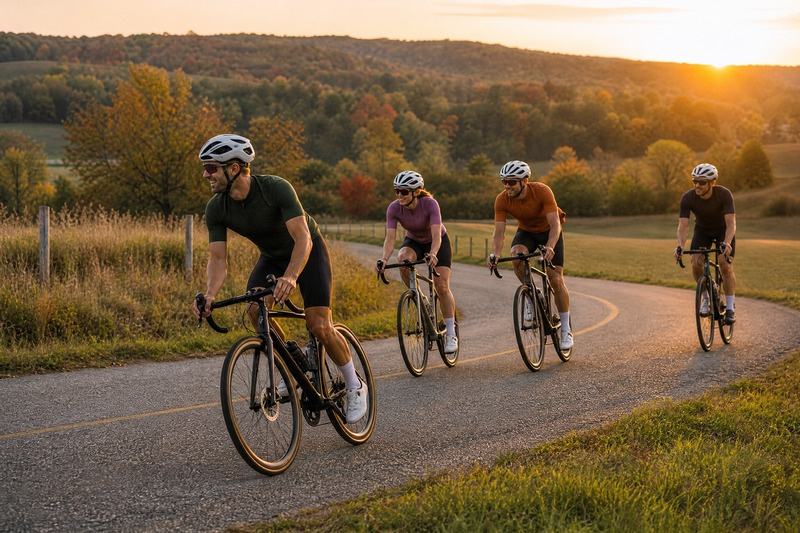
After freshness returns, rejoin normal riding gradually rather than trying to repay every missed workout at once.
The final phase reintroduces intensity without accumulating new fatigue. The rule here is short, sharp efforts with full recovery.
Maintaining a small amount of high-intensity work, such as one quality session, during a recovery or taper period helps prevent detraining while fatigue dissipates [](#ref3).
On day 11 or 12, execute a structured workout with a few short, high-intensity intervals to wake up the neuromuscular system [](#ref3). This could be 4 x 3 minutes at VO2 max or a handful of 30-second sprints. The key is that the volume of intensity is very low, and the recovery between efforts is long and complete. If you are looking for more advice on balancing rest and work, consider what cyclists can learn from runners about consistency.
Conclude the 14-day reset with a final, moderate endurance ride on day 13 or 14 to assess how your legs feel. They should feel snappy, and you should feel mentally eager to tackle harder efforts.
The 14-Day Reset at a Glance
| Phase | Days | Primary Focus | Key Rules |
| 1: The Hard Stop | 1-4 | Pure recovery, mental detachment | No structured workouts, no data screens, prioritize sleep and carbs. |
| 2: Re-Engaging | 5-9 | Easy endurance, restoring motivation | Strict Zone 2 only, 60-90 minutes max, mandatory “Joy Ride.” |
| 3: The Primer | 10-14 | Neuromuscular activation | One low-volume, high-intensity session (e.g., short sprints), full recovery. |
Return-to-Load Rules for Fall
As you transition out of the reset and into a structured fall training block, proceed with caution. The goal of this reset was to restore baseline fitness and freshness, not to build new peak fitness or suddenly increase your Functional Threshold Power by 10 watts.
Pay attention to warning signs. If the high-intensity session in Phase 3 felt impossible, or if your resting heart rate remains elevated, you likely need more rest. As TrainingPeaks notes on bouncing back from mid-season burnout, forcing the issue will only dig a deeper hole.
Set realistic goals for your September and October events. Focus on execution, pacing, and enjoying the crisp autumn air. With the heavy fatigue of summer cleared away, you are now primed to make the most of the best riding season of the year.