By: Gary Robinson, AvidCyclist.com
You have dialed in your training plan, perfected your macronutrient ratios, and invested in the lightest, stiffest bike components. You might even be diligent about your strength and conditioning routine. But if your sleep quality is poor, you are leaving significant performance gains on the table.
Sleep is arguably the most critical tool in a cyclist’s performance arsenal, yet it remains the most neglected. Recent data suggests that up to half of the population fails to get adequate rest, meaning countless athletes are compromising their recovery and progression. As Richard Lawrence, a medic for EF Education-EasyPost, notes, sleep is an overlooked part of the recovery process that should be an easy win for athletes, but rarely is in practice.

The old adage states that training breaks your body down, while resting rebuilds it. Sleep is the powerhouse of this restoration process—far more effective than protein shakes, infrared saunas, or recovery boots. During sleep, the body repairs tissues, replenishes energy stores, and rewires the brain. For cyclists, it acts as a shield against illness and injury while maximizing the ability to absorb training loads.
The Science of Sleep and Athletic Recovery
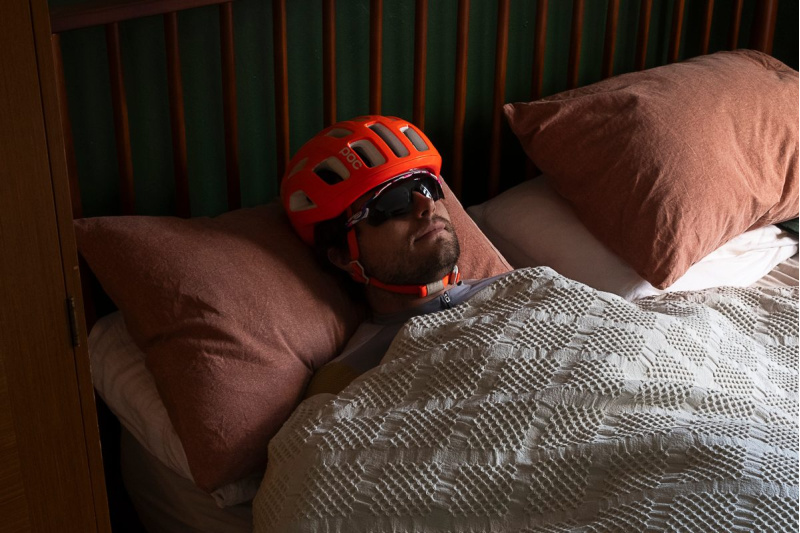
Sleep progresses through cycles of non-rapid eye movement (non-REM) and rapid eye movement (REM) sleep, with each cycle lasting approximately 90 to 110 minutes. The true athletic magic happens during the deepest stage of non-REM sleep, often referred to as N3 or slow-wave sleep.
During this deep sleep phase, brain activity and metabolism slow down, allowing the body to release a cascade of restorative hormones. The most crucial of these is human growth hormone (hGH). The regenerative effects of growth hormone are so potent that synthetic versions are banned by the World Anti-Doping Agency (WADA). Natural growth hormone release during deep sleep stimulates muscle protein synthesis, repairs micro-tears from hard efforts, and aids in bone density maintenance.
While general health guidelines recommend seven to nine hours of sleep for the average adult, endurance athletes have higher demands. Studies indicate that athletes engaged in heavy training should aim for closer to 10 hours of sleep to optimize performance.
This extended sleep duration reduces systemic inflammation, encourages tissue healing, and ensures complete muscle glycogen replenishment. Even amateur “weekend warriors” who balance 10 hours of weekly training with the stresses of daily life need to prioritize sleep just as much as professional riders.
The Doom Loop of Hard Training and Poor Sleep
In theory, sleep is simple: lie down and close your eyes. In practice, especially during periods of intense training, it can be incredibly elusive.
Many cyclists have experienced the frustration of lying awake with twitching muscles, elevated heart rates, and coursing adrenaline after a demanding evening ride or race. Elevated core body temperatures, delayed onset muscle soreness (DOMS), and the prolonged “fight or flight” sympathetic nervous system response induced by hard exercise can severely disrupt sleep onset and quality.
This creates a paradoxical relationship: when you train hard, you need more sleep to recover, but training hard makes it more difficult to achieve that sleep. Several nights of inadequate rest can trigger a cascade of negative physiological effects. Sleep deprivation has been shown to slow heart rate recovery, decrease metabolic rates, impair reaction times, and increase the rate of perceived exertion (RPE) during subsequent workouts.
Furthermore, chronic sleep restriction significantly elevates the risk of illness. Research has demonstrated that individuals sleeping fewer than seven hours per night are nearly three times more likely to develop a cold compared to those getting adequate rest. Over time, this “doom loop” of high training load and poor sleep can accelerate the onset of overtraining syndrome and burnout.
What We Can Learn from the Pro Peloton
Professional cycling teams recognize that grand tours are often won or lost based on recovery. Consequently, the WorldTour peloton has turned sleep optimization into a science, investing in smart mattresses, customized hotel environments, and meticulous sleep tracking. While amateur riders may not have a team of soigneurs preparing their bedrooms, there are several key strategies we can adopt from the pros.
1. Master Your Sleep Hygiene
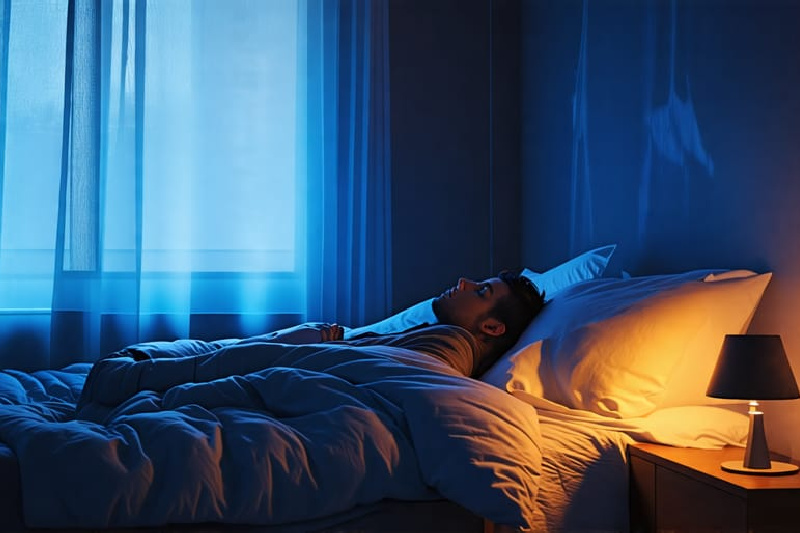
Good sleep hygiene is the foundation of recovery. Professional riders avoid caffeine late in the day and resist the urge to scroll through social media before bed. The blue light emitted by smartphones and tablets suppresses the natural release of melatonin, the hormone responsible for regulating sleep-wake cycles.
To optimize your pre-sleep routine:
- Disconnect: Turn off all electronic screens at least 90 minutes before bedtime.
- Block Light and Sound: Invest in high-quality blackout curtains, a comfortable eye mask, and earplugs. Light and noise are the primary disruptors of sleep architecture.
- Cool Down: Maintain a cool bedroom environment. Research suggests the optimal sleeping temperature for athletes is between 60 and 67 degrees Fahrenheit (15 to 19 degrees Celsius). A cooler room facilitates the natural drop in core body temperature required for sleep onset.
2. Strategic Nutrition for Sleep
What you consume in the hours leading up to bedtime can significantly impact your sleep quality. Many professional teams utilize specific nutritional interventions to promote rest:
- Tart Cherry Juice: Often consumed by riders at the finish line, tart cherry juice is rich in natural melatonin and anthocyanins, which help reduce muscle soreness and improve sleep efficiency.
- Magnesium Supplementation: Magnesium plays a vital role in central nervous system relaxation and muscle function. Supplementing with magnesium can help alleviate muscle twitches and improve overall sleep quality.
- Pre-Sleep Protein and Carbohydrates: While eating a heavy meal right before bed is not advised, consuming a small portion of slow-digesting protein (like casein) paired with complex carbohydrates can be beneficial. This combination ensures overnight satiety, supports muscle protein synthesis during sleep, and triggers the release of serotonin, a precursor to melatonin.
3. The Power of the Nap

If achieving nine to ten hours of continuous nighttime sleep is impossible due to work and family commitments, napping is a highly effective strategy to accumulate necessary sleep cycles.
However, nap duration is critical. A short 10 to 20-minute “power nap” can improve alertness and cognitive function for the afternoon. To gain physical recovery benefits and muscle repair, naps should last between 35 and 90 minutes, allowing the body to enter deeper sleep stages. Avoid napping too late in the afternoon, as this can interfere with your ability to fall asleep at night.
4. Track Trends, Not Just Scores
Wearable technology like Oura rings and Whoop straps are ubiquitous in the peloton, tracking heart rate variability (HRV), resting heart rate, and sleep stages. While these devices provide valuable data, professionals use them to monitor long-term trends rather than making binary daily decisions based on a single “sleep score.”
If your wearable indicates poor sleep for one night, don’t panic or drastically alter your training plan. However, if you notice a persistent downward trend in sleep quality accompanied by an elevated resting heart rate or suppressed HRV, it may be a sign of accumulated fatigue, impending illness, or excessive training stress. Use this data to initiate a conversation with your coach or to proactively schedule a recovery week.
Top Takeaways for Avid Cyclists
To truly maximize your cycling potential, treat sleep with the same dedication as your interval sessions.
1.Make Sleep a Priority: View sleep as your primary performance enhancer, not an afterthought.
2.Optimize Your Environment: Ensure your bedroom is calm, cool (60-67°F), dark, and quiet.
3.Establish a Routine: Go to bed and wake up at consistent times, and implement a screen-free wind-down period 90 minutes before sleep.
4.Fuel for Rest: Consider tart cherry juice, magnesium, and a light protein/carb snack before bed to support overnight recovery.
5.Nap Strategically: Use 30 to 90-minute midday naps to supplement nighttime sleep deficits during heavy training blocks.
By prioritizing your time between the sheets, you will ride stronger, recover faster, and enjoy your time in the saddle far more.