How Abstaining From Alcohol, Even For Just One Month-Can Affect Your Health, Mental State, And More.
By: Jennifer Acker
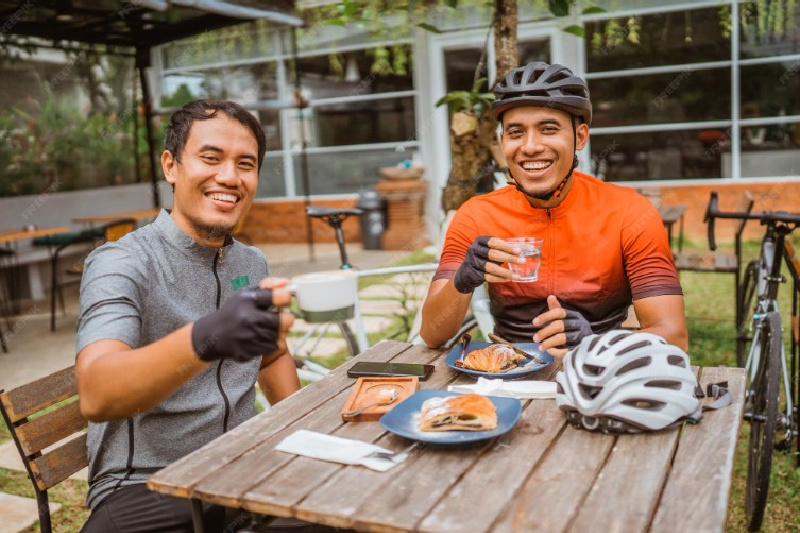
At least one study shows that athletes tend to imbibe more than their peers, and cycling also tends to have a culture that embraces drinking. So while you think about your New Year goals and healthy lifestyle habits to adopt in 2026, one that might reach the top of that list: limiting your drinking. You can easily start that habit by participating in dry January, or ditching booze for the entire first month of the year.
With alcohol so ingrained in our lifestyles, sometimes taking a break helps us reassess our relationship with drinking and stopping consumption might reveal some surprising benefits that go beyond a cursed hangover.
To help you understand why dry January or any extended break from booze might benefit athletes, Bicycling spoke with medical experts to learn what you gain from ditching that postride brew for a month—or more.
4 Dry January Benefits You Don’t Want to Miss
1. Improved Recovery
Your body needs a healthy dose of inflammation in order to bring healing and growth factors to muscles so they can repair after a workout, says Christine Marschilok, M.D., family medicine and sports medicine physician at Main Line Health in Pennsylvania tells Bicycling. However, “alcohol changes the balance of the normal inflammation process that occurs after exercise,” she says.
When you exercise, you stress your muscles, creating micro tears. As your body repairs those micro tears, inflammation increases. When you drink, the alcohol can interfere with that process, slowing down your recovery. What’s more, alcohol can also cause oxidative stress and interrupts protein synthesis, which messes with your ability to build muscle. “We often see muscle atrophy in folks who use alcohol chronically,” Marschilok says, and even less than two beers per day can negatively affect muscle protein synthesis.
While some people think beer is a great postride recovery beverage—it has carbohydrates after all—alcohol consumption can interfere with recovering your glycogen stores. The stored form of glucose or carbohydrates is called glycogen, and your body calls on it for fuel when you exercise. Alcohol, regardless of the type, can impair the recovery process by decreasing glycogen replacement.
Considering how you feel the morning after drinking, you probably know alcohol is also very dehydrating. If you’re already dehydrated after working out, and then drinking alcohol, you’ll further deplete your fluid and decrease your body’s ability to bring nutrients to your injured muscles for recovery, Marschilok says.
On the flip side, when you stop drinking, your body can carry on its normal processes, like repairing and rebuilding muscles and allowing your body to restore the glycogen and fluid it needs to recover and perform again the next day.
2. Better Sleep
Ditching that evening glass of wine or beer can have a positive influence on your sleep, which in turn, can lead to better performance on the bike, says Akhil Anand, M.D., an addiction psychiatrist who runs an inpatient alcohol detox unit and also does outpatient treatment for alcohol addiction at the Cleveland Clinic. Even if you think alcohol may help you fall asleep faster, it won’t help you stay asleep, Anand explains.
Marschilok echos that alcohol impairs sleep, particularly your REM sleep, which you need for healthy brain development and emotional processing, according to the Sleep Foundation. “Quality sleep is incredibly important for healing and recovery,” Marschilok says.
The problem with having alcohol before bed is that our body metabolizes alcohol with time and so the amount of alcohol in our system decreases throughout the night. Changes in the sedating effect of booze can affect sleep, Marschilok says, which is why you might feel tired enough to pass out at 11 p.m. but then wake up at 4 a.m. and multiple times after.
Also, alcohol and its metabolites (or substances created during the breakdown of alcohol) can affect the neurochemical known as milieu, as well as the types of brain waves you experience during sleep that help you reach different stages of shut-eye. “This will affect your sleep architecture, often leading to decreased REM sleep, especially in the first half of the night,” Marschilok explains.
Ditching those nightly drinks allows your body to get quality rest and the stages of sleep that help you recover properly, so you’re ready to ride tomorrow. Even a few drinks can lead to anxiousness, irritability, and that “hangxiety” (or alcohol-induced anxiety) feeling the next day, which are likely a result of poor sleep quality, Anand says. So cutting back altogether, like you do in dry January, will give you the most benefit.
Hilary Sheinbaum, author of The Dry Challenge, who has been doing the dry January challenge since 2016, says she typically notices changes in her sleep after eight to 10 days without alcohol. “Instead of sleeping four to five hours each night, I sleep seven to eight, and as anyone who gets a full night’s rest knows, my mood and everything else in life is more upbeat and feels so much better,” she says.
3. Boosted Mood and Motivation
Motivation tends to feel low when we’re not feeling our best or riding on minimal sleep. But motivation is especially important when it comes to the demands of cycling—and life tasks in general. “While winter is usually pretty gloomy, when taking a break from alcohol for dry January, my mood is so much more elevated,” which makes sense because alcohol is a depressant, Sheinbaum says.
Beyond boosting your mood, a real benefit of eliminating alcohol is that oftentimes, people use drinking to self-medicate mental health conditions, Marschilok says. Eliminating alcohol use as a less productive coping mechanism can allow for more productive management of those issues.
Anand agrees, saying he sees improved mood and boosted self-confidence with patients who give up drinking. He also says it’s an opportunity for those who aren’t drinking to further their personal growth with new hobbies and learning new skills.
Sheinbaum says she experiences less anxiety and more productivity, too. “Without alcohol, my mind doesn’t suffer from the fog booze causes, and I can focus much better. Ideas come easier and I can work faster and figure things out more clearly,” she says.
4. Enhanced Overall Health
Research backs up the benefits of dry January and ditching alcohol even for just a month. In a study published in BMJ Open in 2018, researchers tracked 94 participants who considered themselves moderate to heavy drinkers (meaning they drank, on average, 2.5 drinks a day) and chose to remain abstinent from alcohol for a month, and 47 participants who didn’t change their drinking habits for the month.
At the end of one month, those who didn’t consume alcohol showed positive change in insulin resistance, lowering risk for type 2 diabetes. The non-drinkers also experienced weight loss, lower blood pressure, and improvements in liver function tests.
Participants didn’t make other lifestyle changes besides ditching booze, so diet, exercise, or smoking habits stayed the same. What’s more: The control group, who didn’t ditch alcohol, saw none of these improvements. This proves that even a month without drinking goes a long way in improving your overall health picture.
Perhaps what’s most interesting is that at six to eight months after the initial study, the abstinence group maintained a decrease in their overall consumption of alcohol.
“I, like many other people who do dry January, end up drinking less in the months that follow,” says Sheinbaum. This has the potential to bring on even more positive changes.
5 Tips for a Successful Dry January
Ditching drinking can seem difficult—that’s why they call it a “challenge.” But a few tips, from Sheinbaum, will help keep your motivation up during dry January, or any period of time you want to abstain from alcohol:
1. Recruit a Friend
Find an accountability partner to do the dry challenge with you. You’ll have someone to vent to if you’re getting peer pressure to drink and you can plan outings sans alcohol together. There’s strength in numbers.