Cycling in the summer sun can be exhilarating, but it also comes with inherent risks, especially when temperatures soar. For many enthusiasts, the question of when is it too hot to cycle isn’t just a matter of comfort, but one of safety. Pushing your limits in extreme heat can lead to serious health complications, from dehydration to heatstroke. This guide will help you understand the warning signs your body sends and equip you with strategies to stay safe and enjoy your ride, even when the mercury rises.
Understanding Heat Stress While Cycling
When you cycle, your body generates heat. In cooler conditions, this heat dissipates easily. However, in hot and humid environments, your body struggles to cool itself, leading to heat stress. This can significantly impact your performance and, more importantly, your health.
What Happens to Your Body in the Heat?
As your core body temperature rises, your body initiates several physiological responses to cool down. Blood flow is diverted to the skin to facilitate sweating, which helps release heat through evaporation. Your heart rate increases to pump more blood to both your working muscles and your skin. This increased demand on your cardiovascular system can lead to fatigue, reduced power output, and a higher risk of overheating. Dehydration, a common consequence of excessive sweating, further exacerbates these issues, thickening your blood and making your heart work even harder.

Factors Influencing Heat Stress
Several factors determine how your body reacts to heat while cycling. Humidity plays a crucial role; high humidity reduces the effectiveness of sweat evaporation, making it harder for your body to cool. Direct sunlight, lack of shade, and the intensity of your ride also contribute to heat accumulation. Individual factors such as acclimatization, fitness level, age, and hydration status also significantly influence your susceptibility to heat stress. Understanding these variables is key to knowing when is it too hot to cycle for your personal limits.
When Is It Too Hot to Cycle? Warning Signs and Symptoms
Recognizing the early warning signs of heat stress is paramount for any cyclist. Ignoring these signals can quickly escalate a manageable situation into a dangerous one.
Early Warning Signs
- Excessive Sweating followed by cessation of sweating: While sweating is normal, an unusual amount, or suddenly stopping sweating in hot conditions, can be a red flag.
- Muscle Cramps: Often one of the first indicators of electrolyte imbalance due to heavy sweating.
- Fatigue and Weakness: Feeling unusually tired or weak, even early in your ride.
- Dizziness or Lightheadedness: A sign of dehydration and reduced blood flow to the brain.
- Headache: Can be a symptom of dehydration.
- Nausea: Feeling sick to your stomach.
Severe Symptoms Requiring Immediate Action
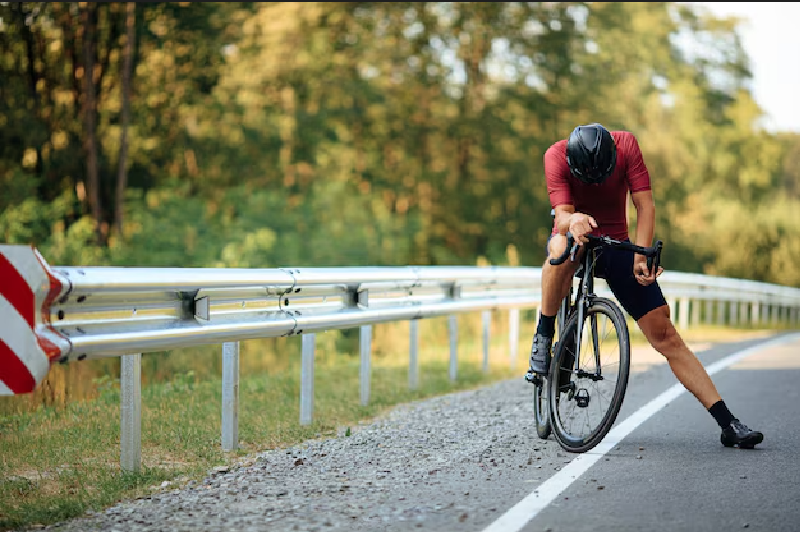
If you experience any of these symptoms, stop cycling immediately, seek shade, and cool down. If symptoms persist or worsen, seek medical attention.
- Confusion or Disorientation: A critical sign of heatstroke.
- Rapid, Weak Pulse: Indicates severe dehydration and cardiovascular strain.
- Hot, Dry Skin (in later stages of heatstroke): The body’s cooling mechanisms have failed.
- Loss of Consciousness: A medical emergency.
Strategies for Safe Hot Weather Cycling
Even when it feels like when is it too hot to cycle is the only question, there are ways to mitigate the risks and enjoy your ride safely.
Hydration and Electrolytes
Proper hydration is non-negotiable. Start hydrating well before your ride and continue to drink small amounts frequently throughout. Water alone isn’t enough; replenish electrolytes lost through sweat with sports drinks or electrolyte tablets. Aim for 500-1000ml of fluid per hour, depending on intensity and conditions.
Clothing and Gear
Choose lightweight, light-colored, and breathable cycling apparel that wicks sweat away from your body. Vented helmets and sunglasses are also essential. Consider carrying extra water bottles or planning routes with water stops.
Timing Your Rides
The coolest parts of the day are typically early morning or late evening. Avoid riding during the hottest hours, usually between 10 AM and 4 PM. This simple adjustment can significantly reduce your exposure to extreme heat.
Acclimatization
If you’re not used to riding in hot weather, gradually increase your exposure. Start with shorter, less intense rides and slowly build up your tolerance over several days or weeks. This allows your body to adapt to the heat, improving its ability to regulate temperature and making it easier to determine when is it too hot to cycle for your current fitness level.
The Importance of Listening to Your Body
Ultimately, your body is the best indicator of your limits. Pay close attention to how you feel. If you start experiencing any warning signs, don’t try to push through them. It’s always better to cut a ride short than to risk your health. Remember, regular cycling has numerous health benefits, including its ability to reverse heart damage, as a recent study shows that riding a bike can reverse heart damage. However, these benefits are only realized when you ride safely and responsibly.
Cycling in hot weather demands respect and preparation. By understanding the physiological effects of heat, recognizing warning signs, and implementing smart strategies, you can continue to enjoy your passion without compromising your well-being. Knowing when is it too hot to cycle is a personal assessment, but armed with this knowledge, you can make informed decisions to ensure every ride is a safe and enjoyable one. Stay cool, stay hydrated, and happy cycling!