Cycling builds an exceptional engine but the quieter months are an ideal time to give the skeleton the loading fuel and attention it may be missing
By Avid Cyclist | September 21, 2026
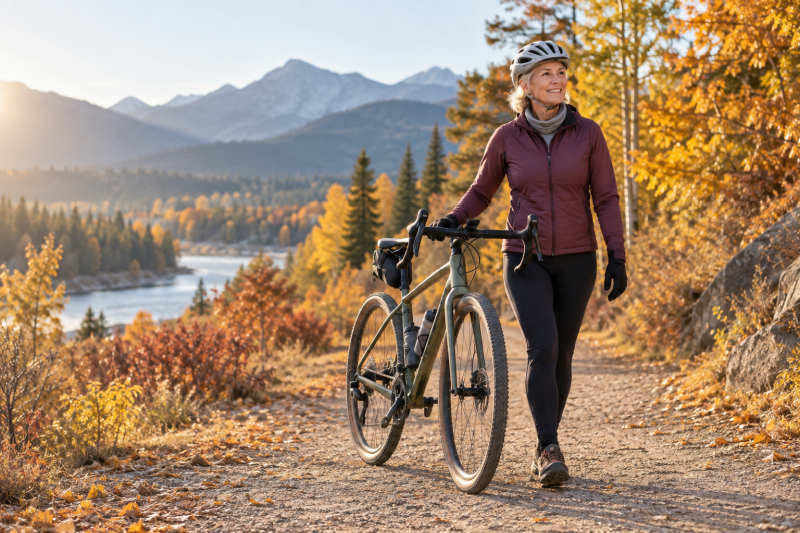
For many cyclists, fall feels like an exhale. The event calendar thins, weekend mileage becomes negotiable, and the bike may finally share space with hiking shoes, a gym bag or an unhurried walk. That change can feel like lost momentum. For bone health, it may be exactly the opportunity the body needs.
Cycling is one of the best ways to build cardiovascular fitness with relatively little pounding on the joints. That low-impact quality is a major reason people can keep riding through middle age and beyond. But there is a tradeoff: the bicycle supports much of the rider’s weight, so even a strong, high-mileage cyclist may not give the skeleton the varied mechanical loading that helps bones maintain their strength.

This is not an argument against cycling. It is an argument for making a cyclist’s health portfolio a little broader when the season changes. Recent research continues to show that bone health deserves a place beside heart health, sleep, recovery and muscle strength, especially for high-volume riders, masters cyclists and anyone who has spent years treating low body weight as a performance goal.
The Fitness Blind Spot Hidden Inside a Low Impact Sport
Bone is living tissue. It responds to the forces placed upon it, particularly the higher and more varied loads created by weight-bearing movement, resistance exercise and, when appropriate, impact. Cycling certainly loads muscles and produces force at the pedals, but it does not create the same skeletal stimulus as activities performed against gravity on foot.
Researchers have raised this concern for years. A systematic review of bone health in cyclists concluded that road cycling’s weight-supported nature may leave riders without the bone-building benefit associated with weight-bearing exercise. More recent evidence has made the issue harder to dismiss.
In a 2023 study of 93 elite cyclists, low bone mineral density at the lumbar spine was common across several career stages. Among advanced-career riders in that study, 64 percent of men and 45 percent of women had a lumbar-spine Z-score below minus one. The study involved elite athletes, so those percentages should not be applied directly to every recreational rider. Still, the associated factors are relevant well beyond the professional peloton: low body mass, previous fractures, limited bone-specific activity and signs consistent with low energy availability.
Another 2023 study following professional cyclists across a season reported deterioration in bone-health measures, reinforcing that the problem is not simply a historical curiosity. A recent UCI Sports Nutrition Project review likewise describes cycling as a potential perfect storm for bone health because low mechanical loading can combine with large energy demands, intentional weight control and nutrient gaps.
Why Fall Is the Right Moment to Pay Attention
At the height of summer, a cyclist’s week can be crowded with long rides, events, travel and recovery. Adding unfamiliar exercise may create soreness or compete with the riding that matters most. Fall changes that equation. With fewer high-priority miles, the body has room to adapt to new forms of loading without every stiff muscle threatening Saturday’s century.
The shorter days also make ordinary off-bike movement more important. A rider who finishes work after dark may replace an outdoor ride with the trainer, then spend the rest of the evening seated. The heart and lungs still receive a workout, but the skeleton sees even less weight-bearing activity than it did during summer.
That makes the seasonal transition useful for more than maintaining fitness. It is a chance to build a year-round habit of walking, strength work, balance and safe impact activity rather than trying to bolt those pieces onto an already full summer schedule.
Four Ways to Make the Fall Transition Better for Your Bones
Keep some movement on your feet. Walking, hiking, stair climbing and similar weight-bearing activities expose the skeleton to gravity in ways seated cycling does not. They do not need to replace riding. A brisk walk on a recovery day or a fall hike with friends can complement it.
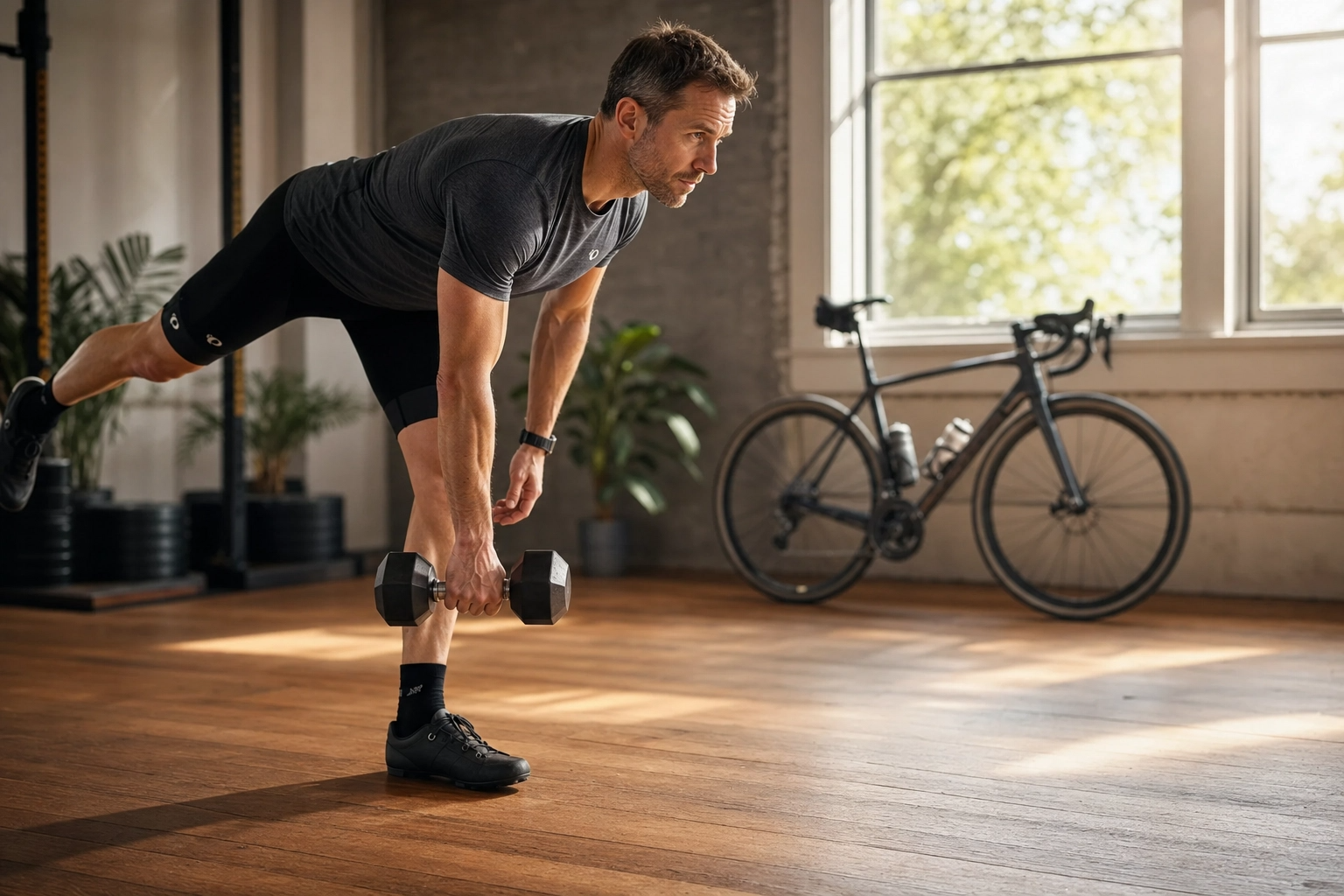
Use resistance training for health as well as watts. Squats, hinges, lunges, step-ups, pushing and pulling movements load muscles and bones while supporting balance and everyday function. Riders looking for a straightforward starting point can use Avid Cyclist’s simple two-day strength plan. Begin conservatively and prioritize sound technique, especially if lifting is new.
Add impact only when it is appropriate. Small jumps, hops or brief bouts of jogging can provide a different skeletal signal, but impact is not suitable for everyone. Riders with osteoporosis, a history of fragility fracture, joint replacement, balance limitations, persistent pain or other medical concerns should get individualized guidance before adding it. Walking and resistance work can still be valuable when jumping is a poor choice.
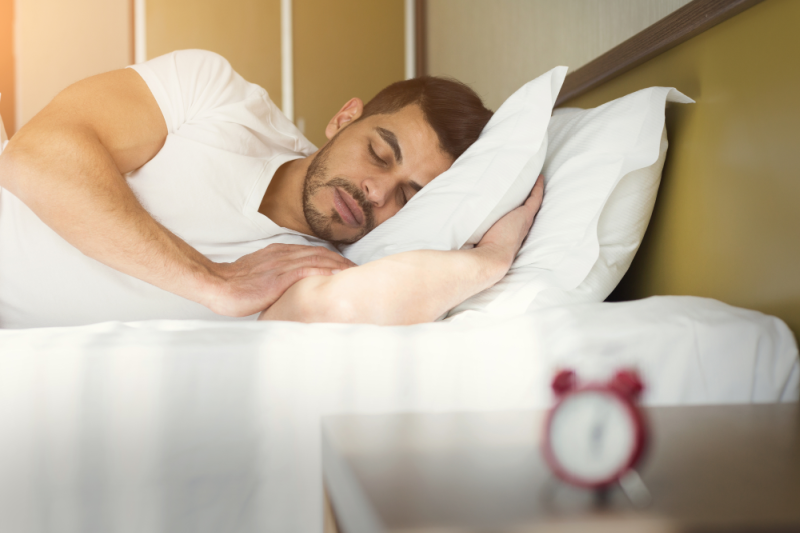
Protect recovery. A lower-volume season is not an invitation to fill every open hour with a new workout. Bone adaptation, like muscular adaptation, depends on recovery. Avid Cyclist’s guide to why rest days matter is a useful reminder that productive training includes time for the body to rebuild.
Do Not Let Fall Fitness Become Fall Under Fueling
When weekly mileage drops, many cyclists immediately try to reduce food intake. Some adjustment may be reasonable, but aggressive restriction can work against the very health goals the off-season is supposed to support. Bone remodeling requires energy as well as nutrients.
The International Olympic Committee’s consensus on Relative Energy Deficiency in Sport explains that chronically low energy availability can affect bone health along with hormones, immunity, recovery and performance. REDs can affect men and women, and it does not require an eating-disorder diagnosis. It can develop when an athlete repeatedly fails to eat enough to cover training and normal physiological needs.
Warning signs deserve attention: repeated stress injuries or fractures, persistent fatigue, declining performance, mood changes, frequent illness, disrupted menstrual function, reduced libido or an increasingly rigid relationship with food and body weight. Those symptoms have multiple possible causes, so the right response is not self-diagnosis. It is a conversation with a sports-informed physician and, when appropriate, a registered dietitian.
Calcium and Vitamin D Matter but More Is Not Automatically Better
Calcium is a major structural component of bone, while vitamin D helps the body absorb calcium. The National Institutes of Health vitamin D fact sheet lists a recommended daily amount of 600 IU for adults through age 70 and 800 IU beginning at age 71. The NIH also notes that older age, limited sun exposure, darker skin and certain digestive conditions can increase the likelihood of inadequate vitamin D.
Food-first habits can cover a great deal of ground. Dairy foods, calcium-fortified plant beverages, canned fish with soft edible bones, tofu made with calcium and some leafy greens can contribute calcium. Fatty fish, egg yolks and fortified foods can provide vitamin D. The NIH calcium fact sheet offers age- and sex-specific intake guidance.
Supplements are not a contest, and high doses are not harmless. Vitamin D can interact with medications and excessive intake can cause serious problems. Riders concerned about deficiency, restrictive diets or absorption issues should discuss testing and supplementation with a clinician rather than guessing from a social-media recommendation.
Who Should Bring Bone Health Up With a Clinician
Bone density cannot be estimated by climbing speed, body composition or how strong someone feels. A rider can look exceptionally fit and still have low bone mineral density. A clinical conversation is especially reasonable for cyclists with a previous low-trauma fracture, recurrent stress injuries, prolonged under-fueling, significant weight loss, menstrual disruption, low testosterone symptoms, long-term steroid use, a family history of osteoporosis or other established risk factors.
Age also matters, but screening decisions differ by sex, medical history and guideline. Rather than assuming every cyclist needs a scan, ask a health professional whether a DXA bone-density test or other evaluation is appropriate for your personal risk profile.
Build the Rider Not Only the Ride
Avid Cyclist has explored how cycling can help people stay healthier and more connected as they age. Bone health belongs in that same conversation. The goal is not to make cyclists afraid of the activity they love. Cycling delivers enormous physical, mental and social benefits. The goal is to recognize what the bike does brilliantly and what it may not provide on its own.
This fall, keep riding. Enjoy the cooler air, the quieter roads and the freedom of a season with fewer numbers attached to it. But spend some time on your feet, lift something safely, fuel the body you are asking to adapt and bring persistent warning signs to a qualified professional. Strong legs can carry a cyclist a long way. Strong bones help make sure the journey can continue.
Health note This article is for general information and is not a substitute for medical advice, diagnosis or individualized exercise clearance.