By AvidCyclist.com
Customers who believed they had secured low-cost e-bikes through a Colorado tax-credit program are still waiting for bikes or refunds. A federal forfeiture notice involving the retailer’s owner now puts a local dispute in a national spotlight as more incentive programs move to point-of-sale discounts.
Colorado’s e-bike tax credit was meant to make electric bicycles easier to afford. Instead, a dispute involving Bear Trail Bikes has become a warning for riders and policymakers far beyond the state: a government-backed discount can still leave consumers exposed when a participating seller does not deliver.
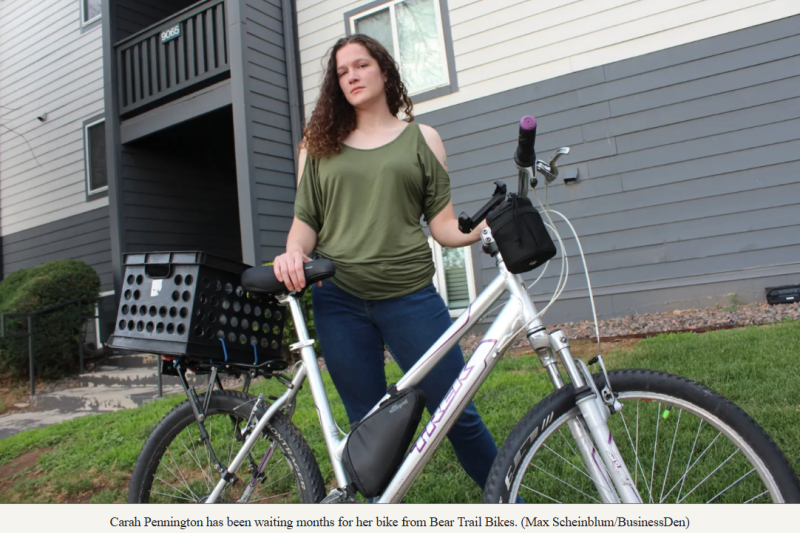
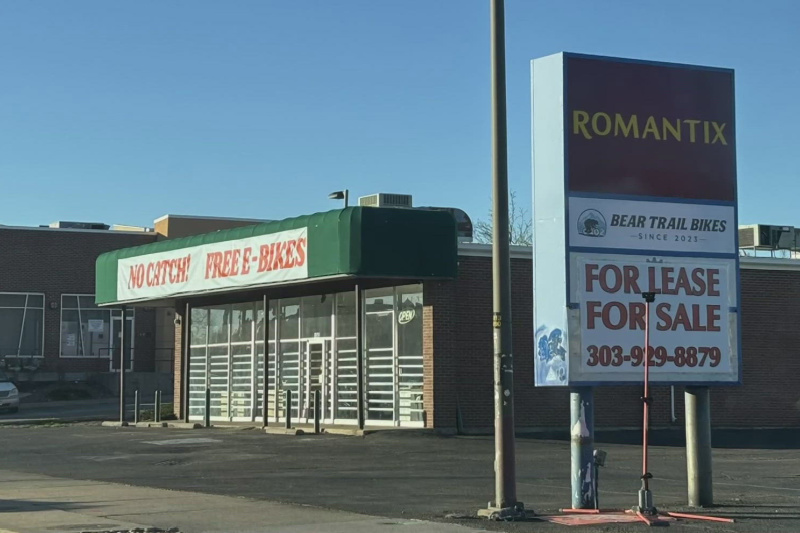
According to reporting from 9NEWS and BusinessDen, multiple Bear Trail Bikes customers signed up for the company’s e-bike offer, paid the required sales tax or a deposit, and never received their bicycles . BusinessDen reported the case of one customer who paid a $50 deposit on December 31 for a “free” e-bike and was told delivery would take four to 12 weeks. Six months later, she was still waiting, and she told the outlet she believed the business was “just scamming people.” Hundreds of similar experiences have been logged on Reddit, Google reviews, and the Better Business Bureau.
The story took a more serious turn when the FBI published a federal forfeiture notice listing assets associated with Takuma Keita Owuo-Hagood, the owner who acquired the Rifle-based retailer in
late summer 2025. The notice lists a 2021 Lamborghini Huracán, a 2025 Mercedes-Benz EQB 250+, a 2024 Land Rover Range Rover, and funds held in two JPMorgan Chase accounts. Together, the property is valued at about $521,097.

|
Property listed in the federal notice
|
Listed value
|
|
2021 Lamborghini Huracán
|
$258,500.00
|
|
2025 Mercedes-Benz EQB 250+
|
$34,880.00
|
|
2024 Land Rover Range Rover
|
$111,250.00
|
|
Two listed bank accounts
|
$116,467.24
|
|
Total
|
$521,097.24
|
The notice says the property was seized for forfeiture under 18 U.S.C. § 981(a)(1)(A). It does not explain the underlying conduct alleged by investigators or amount to a criminal conviction. The Denver Post reported that Owuo-Hagood did not appear to have active criminal charges when it published its report, and that the FBI declined to confirm or deny a specific investigation.
How the incentive was supposed to work
Colorado’s program gives a resident a point-of-sale discount on a qualifying new e-bike purchased from a participating retailer (the discount was $450 in 2024 and 2025, and is $225 in 2026). The buyer still pays the full sales tax, while the participating retailer can claim a tax credit for the qualifying sale.
That structure explains why Bear Trail Bikes’ offer was attractive. For a customer who qualified for the state credit, a bicycle promoted as “free” could still require payment of sales tax at checkout. But it also makes fulfillment crucial: a buyer has already paid money, submitted documentation, and relied on a retailer to actually deliver the bike.
Owuo-Hagood previously blamed fulfillment delays on the state, claiming that delayed tax-credit reimbursements were preventing the company from delivering orders. However, the Colorado Energy Office clarified to BusinessDen that “a sale (including delivery) must be completed prior to claiming the tax credit” and that the state “does not pay retailers in advance of the e-bike sale and delivery to the customer”. While retailers can elect to receive advance payments based on completed sales, they cannot use advance credits to fund unfulfilled orders .
Complaints and civil disputes predated the seizure notice
The federal action is not the only legal challenge facing the retailer. According to court filings reported by BusinessDen and The Denver Post, the former owners of Bear Trail Bikes—who sold the business to Owuo-Hagood for $92,000—raised concerns shortly after the sale. They alleged that the business moved from selling roughly 50 bikes per quarter to an “extremely high volume,” and they accused Owuo-Hagood of submitting duplicate entries to the state rebate program, failing to charge the correct sales tax, and operating in the Denver area without a license.
A former Lakewood landlord has also sued, alleging that Owuo-Hagood paid only three months of rent, made unapproved alterations, and caused roughly $70,000 in restoration and repair costs.
A separate small-claims case accused the business of bait-and-switch advertising and failure to deliver goods within a reasonable time . These are allegations in civil filings, not findings of criminal guilt.
Why riders nationwide should pay attention
Colorado’s case is not an isolated policy experiment. A February 2026 report by Portland State University’s Transportation Research and Education Center identified 118 e-bike incentive programs in the United States and Canada. The report found that point-of-sale discounts are becoming increasingly common; among programs requiring purchases through local or designated bike shops, 34 of 50 used that model.
Point-of-sale incentives can be a powerful equity tool because riders do not have to front the full price of an e-bike and wait for a later rebate. But the same design shifts substantial responsibility to retailers. It requires public agencies to ensure that participating dealers are financially sound, that claims and deliveries can be matched, and that riders have a clear path to a prompt remedy if the transaction breaks down.
For national programs now being designed—or expanded—the lesson is not that e-bike incentives are inherently flawed. The lesson is that a discount at checkout should be accompanied by meaningful consumer safeguards: clear delivery deadlines, real-time complaint monitoring, enforceable refund procedures, and payment controls that do not reward nondelivery.
The Bear Trail Bikes matter remains unresolved. The federal forfeiture notice is not a verdict, and the published reporting does not establish criminal liability. What it does establish is a serious consumer-protection failure alleged by customers in a program built on public money and public trust. As e-bike incentives spread, that is a problem every state, city, retailer, and rider should take seriously.