By Gary Robinson, AvidCyclist.com
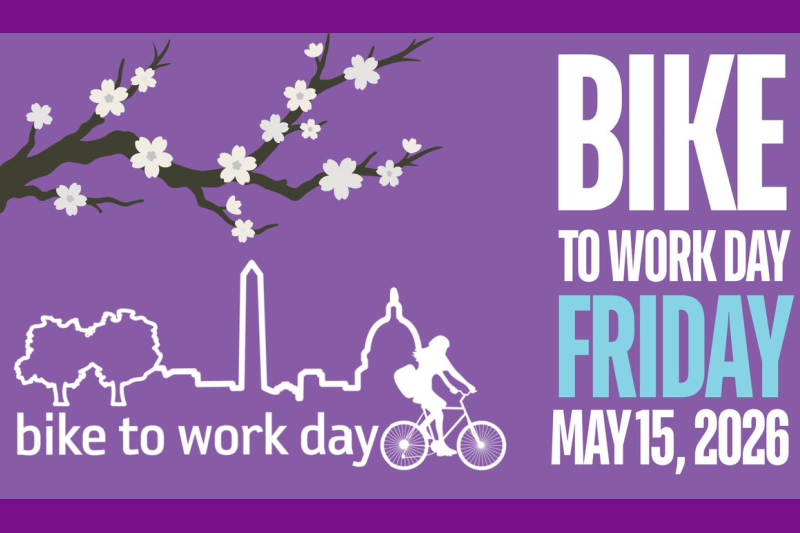
As the weather warms and the days grow longer, cyclists across the nation are gearing up for one of the most anticipated events of the year: National Bike to Work Day. Set for Friday, May 15, 2026, this annual celebration is the crown jewel of National Bike Month, an initiative championed by the League of American Bicyclists since 1956.
Whether you are a seasoned commuter or a curious beginner, this day offers the perfect opportunity to trade four wheels for two, embrace the open air, and experience the myriad benefits of cycling to work.

National Bike to Work Day is more than just a single day of riding; it is part of a broader movement to promote active transportation, improve public health, and foster sustainable communities. With Bike to Work Week running from May 11 to May 17, 2026, the momentum is building for a record-breaking turnout
The Resurgence of the Bike Commute
The landscape of urban commuting is undergoing a significant transformation. Following the disruptions of the early 2020s, bicycling participation has surged. According to a 2024 study by PeopleForBikes, a record 112 million Americans—representing 35% of the population ages three and older—rode a bike at least once during the year.
This marks the highest participation rate since the study began a decade prior, indicating a profound shift in how Americans view cycling for both recreation and transportation.
This resurgence is not merely a passing trend. Cities across the United States are investing heavily in cycling infrastructure, creating protected bike lanes, traffic-calmed streets, and expansive trail networks. These improvements are crucial, as safety remains a primary concern for many potential riders. By participating in National Bike to Work Day, cyclists demonstrate the demand for these vital infrastructure investments, encouraging local governments to prioritize safer streets for everyone.
Why Make the Switch? The Compelling Benefits of Cycling
Choosing to commute by bicycle offers a wealth of benefits that extend far beyond the simple joy of riding. From profound health improvements to significant economic savings and environmental impact, the case for the bike commute is stronger than ever.
Transformative Health Benefits
The physical and mental health advantages of active commuting are well-documented and striking. A comprehensive 18-year study of over 82,000 adults in the UK, published in BMJ Public Health in 2024, revealed remarkable findings regarding the longevity and well-being of cyclists
Furthermore, the study found that commuting by bike was associated with a 51% lower risk of dying from cancer and a 24% lower risk of hospitalization for heart disease
. Beyond physical health, cycling is a powerful tool for mental well-being. The same study noted a 20% lower risk of being prescribed drugs for mental health problems among cyclist commuters
. The combination of physical exertion, fresh air, and the release of endorphins and serotonin makes the bike commute an excellent way to reduce stress and arrive at work energized and focused.
Economic Savings
In an era of fluctuating fuel prices and rising vehicle maintenance costs, the economic argument for cycling is compelling. The financial burden of car ownership—including insurance, gas, parking, and repairs—can be substantial.