Zwift recently revealed its successful acquisition of ROUVY, an indoor cycling application celebrated for its authentic video-based routes and event-centric riding features. What makes this development particularly intriguing is that it is not being presented as a massive consolidation where all features are merged into a single platform. Instead, Zwift has clarified that both entities will maintain their independent operations, retaining distinct development roadmaps and separate subscription models.
Distinct Approaches to Indoor Riding
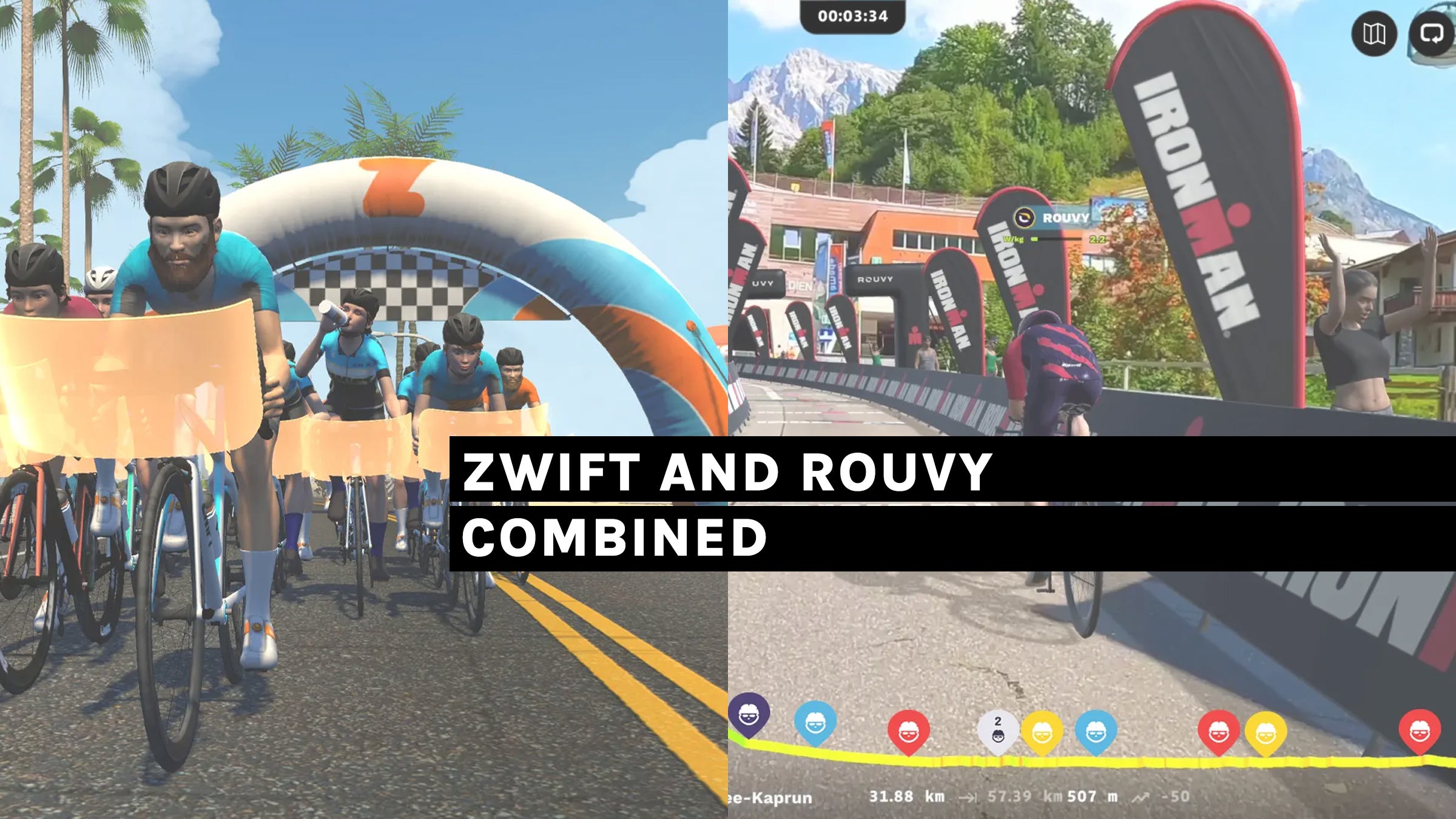
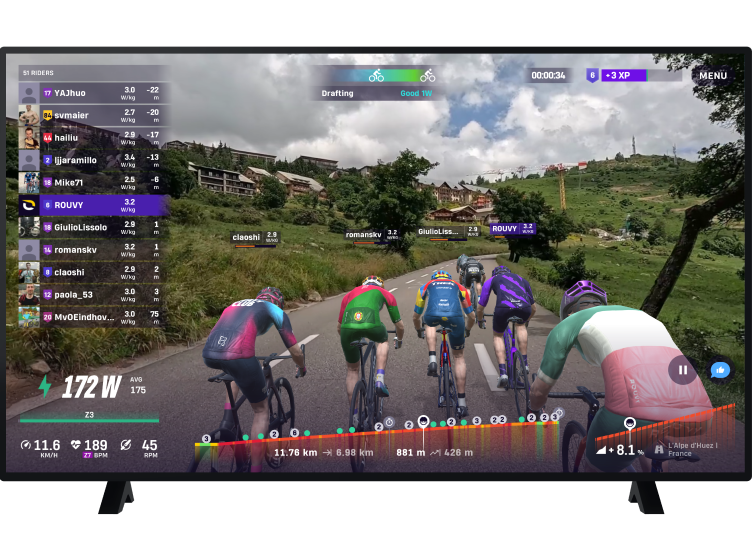
While it might seem like the two platforms share significant similarities, Zwift and ROUVY have historically pursued different objectives. Zwift established its reputation by creating gamified virtual environments, fostering group rides, organizing competitive racing leagues, and emphasizing the social aspects of indoor cycling. Conversely, ROUVY took an alternative path, focusing heavily on replicating real-world roads, simulating accurate gradients, and providing a more literal bridge between indoor training sessions and outdoor cycling experiences. Now, these two distinct philosophies are united under one corporate umbrella.
The Strategic Rationale
From Zwift’s perspective, the underlying strategy is quite transparent: the indoor cycling sector is experiencing renewed growth, and the company recognizes a substantial opportunity to cater to a broader spectrum of cyclists.
According to Zwift, the market is currently expanding at a pace not seen since the surge during the COVID-19 pandemic. An increasing number of individuals are discovering cycling through the gateway of indoor training and smart fitness equipment. Furthermore, the growing availability of accessible, entry-level hardware—most notably the “Zwift Ready” category of smart trainers—continues to drive this upward trend.
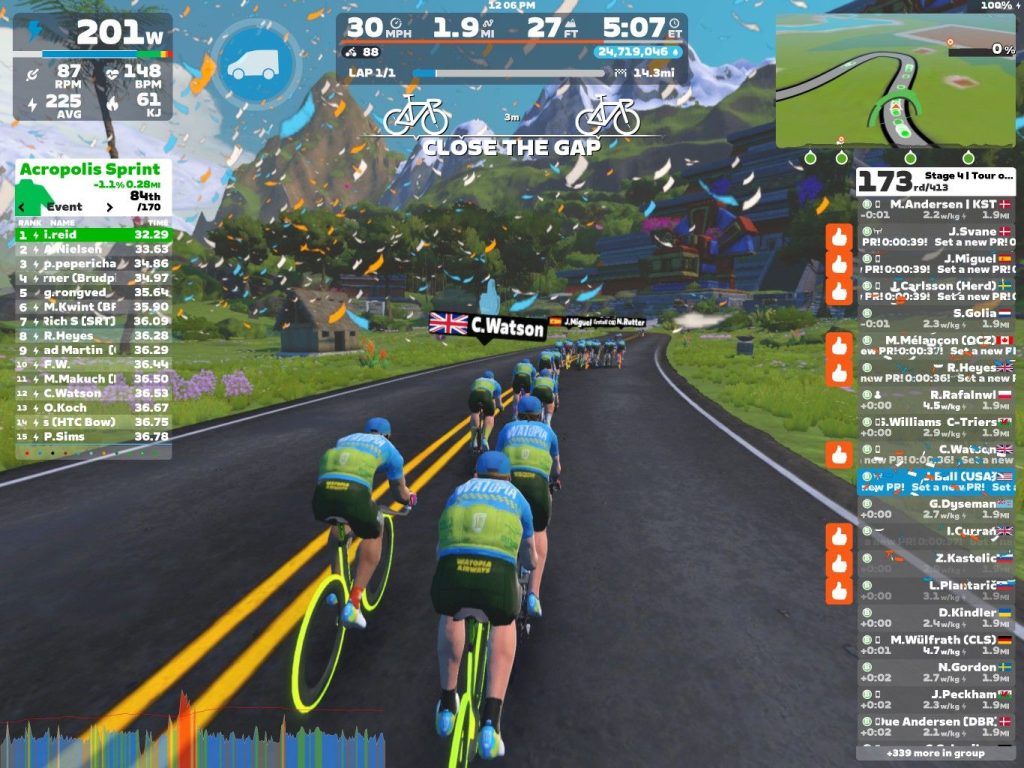
Zwift’s decision to purchase ROUVY does not stem from a sudden disinterest in its flagship virtual world, Watopia. Rather, the acquisition acknowledges that the indoor cycling landscape has diversified. While a segment of the community thrives on virtual landscapes, customizable avatars, e-sports racing, and social interaction, another segment demands authentic climbs, realistic courses, and the specific route preparation that closely mimics outdoor riding conditions.

Immediate Hardware Synergy
The most tangible and immediate consequence of this acquisition relates to hardware compatibility.
Zwift has announced that its Zwift Ready smart trainers and Zwift Ride smart frames will be fully compatible with the ROUVY platform. This integration offers users immediate, practical benefits rather than merely promising future developments. For current owners of Zwift hardware, this compatibility unlocks access to an entirely different style of indoor cycling without the need to invest in additional equipment.
Preserving ROUVY’s Identity
Commendably, the acquisition announcement places a significant emphasis on maintaining continuity.
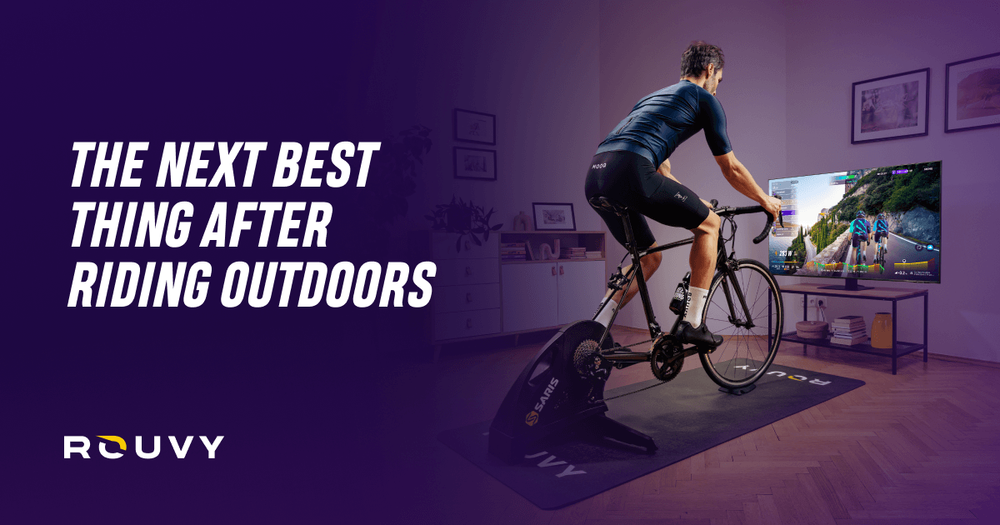
ROUVY has assured its user base that the platform will remain the familiar environment they have come to appreciate. The existing team will continue their work, maintaining their dedication to facilitating training through authentic routes and realistic terrain. This commitment should alleviate any immediate concerns that ROUVY might lose its unique character or be relegated to a mere secondary feature within the expansive Zwift ecosystem.
The core value proposition of ROUVY lies precisely in the fact that it offers an experience distinct from Zwift. It caters to a different psychological approach to riding and fulfills a separate set of needs. ROUVY succeeds in making indoor sessions feel much more aligned with the tangible outdoor objectives that many cyclists are actively preparing to achieve.
The Value ROUVY Adds
It is important to recognize that ROUVY is not merely a small, peripheral application with a limited selection of scenic videos and a niche following. The company has cultivated an extensive library of real-world routes and established significant partnerships with major cycling events. They possess a well-defined identity anchored in realistic training methodologies and route-specific indoor cycling. This acquisition provides Zwift with a robust presence in a segment of the indoor cycling market that prioritizes preparation, geographical exploration, and recognizable real-world environments over virtual competition.
The reality is that indoor training has evolved beyond pure entertainment. For numerous cyclists, it serves as their introduction to the sport, their method for maintaining consistency during inclement weather, and their primary tool for preparing for significant outdoor rides and races. ROUVY has effectively engaged with this specific demographic, and Zwift has clearly recognized the value of that connection.

Looking Ahead
While the specific financial terms of the deal remain undisclosed—a common practice in such acquisitions—the overarching implications are quite clear.
The indoor cycling industry is not consolidating into a single, monolithic format. On the contrary, it is becoming increasingly diverse. A wider variety of cyclists are entering the space, and the necessary equipment is becoming more accessible. In response, the leading companies in the sector are choosing to broaden the range of experiences they provide, rather than restricting them.
Although details regarding how a Zwift subscription might incorporate ROUVY have not yet been released, further announcements are anticipated in the near future.