The ongoing debate surrounding federal bike lane funding 2026 has significant implications for local trail projects across the United States. As cycling continues to grow in popularity, both as a recreational activity and a viable mode of transportation, the allocation of federal resources for cycling infrastructure becomes increasingly critical. This article delves into the current state of affairs, the political landscape influencing these decisions, and what these developments mean for the future of urban and rural cycling networks.
The Shifting Sands of Federal Transportation Policy
Historically, federal funding for transportation infrastructure has largely prioritized roadways and automotive travel. However, in recent decades, there has been a gradual, albeit sometimes contentious, shift towards recognizing the importance of alternative transportation methods, including cycling. The push for dedicated bike lanes and multi-use trails stems from a confluence of factors: environmental concerns, public health initiatives, and a desire to reduce traffic congestion in urban centers. The discussion around federal bike lane funding 2026 is not just about asphalt and concrete; it’s about shaping the future of community mobility and accessibility.
Key Legislative Battles and Their Impact
Several legislative efforts have attempted to either bolster or curtail federal support for cycling infrastructure. These battles often play out in Congress, with various interest groups lobbying for their respective priorities. Advocates for cycling infrastructure emphasize the economic benefits, such as increased tourism and local business patronage, as well as the improved safety for cyclists and pedestrians. Conversely, some argue that federal funds should be primarily directed towards maintaining existing road networks, viewing bike lanes as a lower priority. The outcome of these legislative skirmishes directly influences the availability of grants and programs that local governments rely on for their cycling projects.

The Role of Advocacy Groups
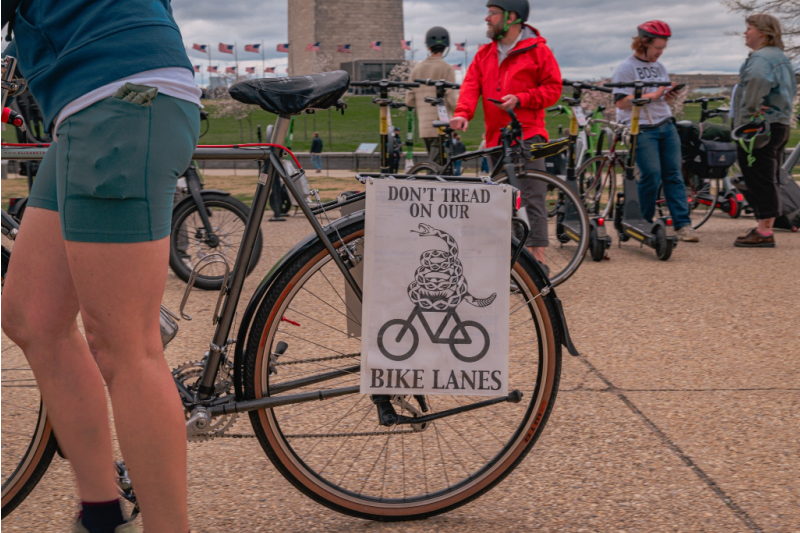
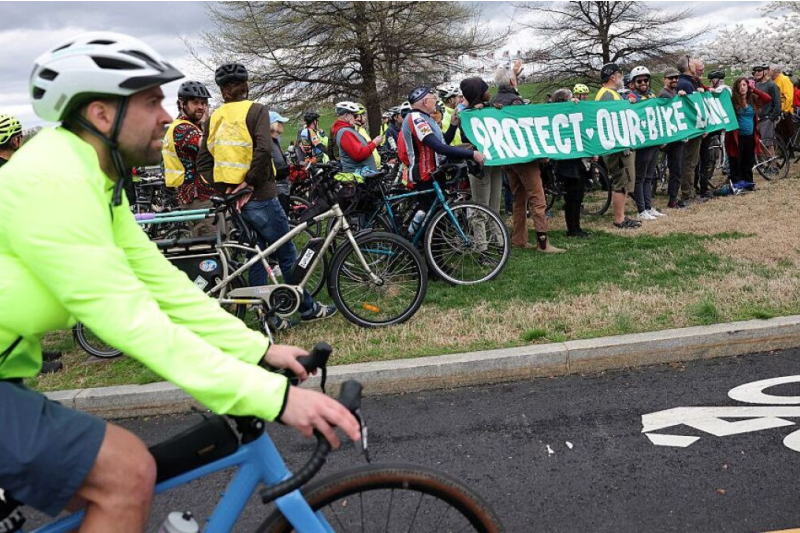
Cycling advocacy groups play a pivotal role in shaping public opinion and influencing policy makers. Organizations like the League of American Bicyclists and local cycling coalitions work tirelessly to highlight the benefits of robust cycling infrastructure and to lobby for increased federal bike lane funding 2026. Their efforts often involve educating the public, organizing grassroots campaigns, and providing data-driven arguments to demonstrate the positive return on investment for cycling projects. Without their persistent advocacy, many of the gains made in recent years would likely not have materialized.
Local Trail Projects: A Direct Impact
The availability of federal funding is often the lifeblood of local trail projects. Many municipalities and counties lack the independent financial resources to undertake large-scale infrastructure developments. Federal grants, often administered through programs like the Transportation Alternatives Program (TAP) or the Congestion Mitigation and Air Quality (CMAQ) program, provide the necessary capital to transform ambitious plans into tangible assets. A reduction in federal bike lane funding 2026 could lead to the stagnation or outright cancellation of numerous planned projects, impacting communities that stand to benefit significantly from improved cycling access.
Case Studies: Successes and Setbacks
Across the country, there are countless examples of how federal funding has enabled transformative local trail projects. From urban greenways connecting diverse neighborhoods to scenic rural paths attracting tourists, these projects demonstrate the power of strategic investment. However, there are also instances where political maneuvering or funding cuts have stalled progress, leaving communities with incomplete networks or abandoned plans. Understanding these successes and setbacks is crucial for future advocacy efforts and for ensuring that federal resources are allocated effectively.
The Importance of Local Engagement
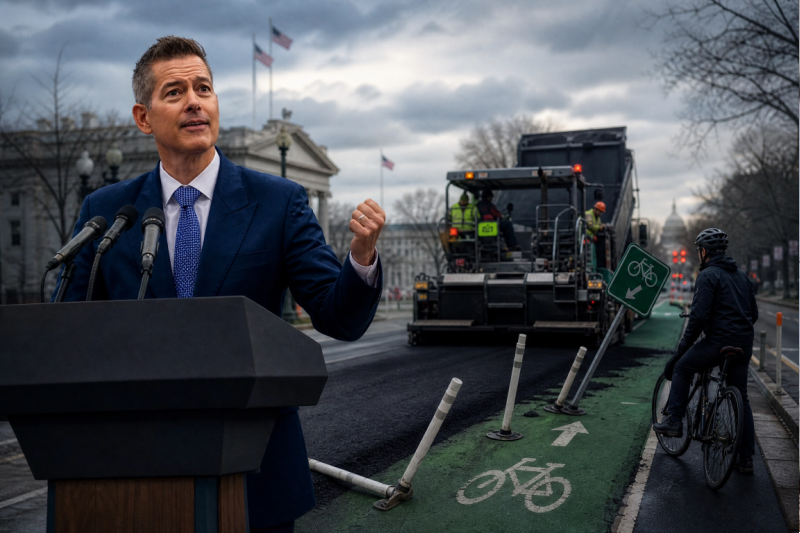
While federal funding is vital, local engagement remains paramount. Community support, volunteer efforts, and local government commitment are essential for identifying needs, securing matching funds, and maintaining completed projects. The federal government often looks for strong local partnerships and demonstrated community buy-in when awarding grants. Therefore, even with robust federal bike lane funding 2026, the success of local trail projects ultimately hinges on the dedication of the communities they serve. For a deeper dive into the political challenges faced by local governments in securing and maintaining bike lane projects, you might find this article insightful: Sean Duffy’s Bike Lane Theater Is a Warning Shot to Local Governments.
The Future of Cycling Infrastructure
The trajectory of federal bike lane funding 2026 will largely determine the pace and scope of cycling infrastructure development in the coming years. A sustained commitment to funding will not only expand existing networks but also encourage innovation in urban planning and transportation design. It will foster safer environments for cyclists, promote healthier lifestyles, and contribute to more sustainable communities. Conversely, a decline in federal support could reverse much of the progress made, leaving communities to grapple with inadequate and unsafe cycling options.
Economic and Environmental Benefits
Investing in cycling infrastructure yields significant economic and environmental dividends. Economically, it can boost local economies through increased tourism, retail activity, and property values. Environmentally, it reduces reliance on fossil fuels, lowers carbon emissions, and improves air quality. These benefits extend far beyond the immediate cycling community, impacting the well-being of entire regions. Therefore, the debate over federal bike lane funding 2026 is not just a niche issue for cyclists; it is a broader discussion about sustainable development and public welfare.
A Call to Action
For those passionate about cycling and sustainable transportation, staying informed and engaged in the political process is crucial. Supporting advocacy groups, contacting elected officials, and participating in local planning initiatives can all contribute to ensuring that cycling infrastructure receives the attention and funding it deserves. The decisions made regarding federal bike lane funding 2026 will have lasting effects on how we move, live, and interact with our communities for decades to come. It is a fight worth engaging in, for the benefit of all.