A federal transportation deadline could determine which bike lanes, trails and safer streets get built through 2031
By Gary Robinson, Avid Cyclist | September 16, 2026
The next trail connection, protected bike lane or safer intersection in your community may depend on a debate happening in Washington before most riders realize it has begun.
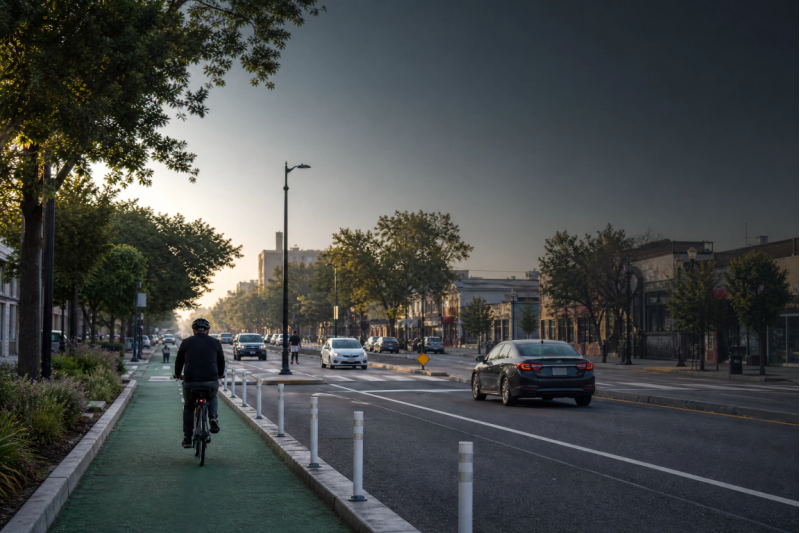
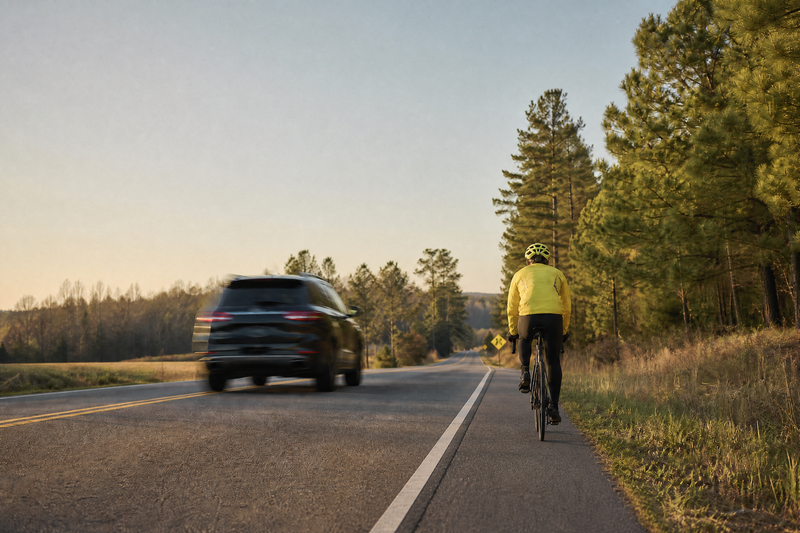
A missing half-mile of pavement can define an entire ride. It may be the gap that forces a family from a greenway onto a fast arterial, the intersection that keeps a commuter in a car, or the shoulderless bridge that turns a promising route into a dead end.

Cyclists experience these gaps locally, one nervous merge or unfinished trail at a time. But many of the decisions that determine whether those gaps are closed begin far from the route itself, inside the federal transportation law that helps states and communities pay for bike lanes, multiuse trails, safer crossings and roadway redesigns.
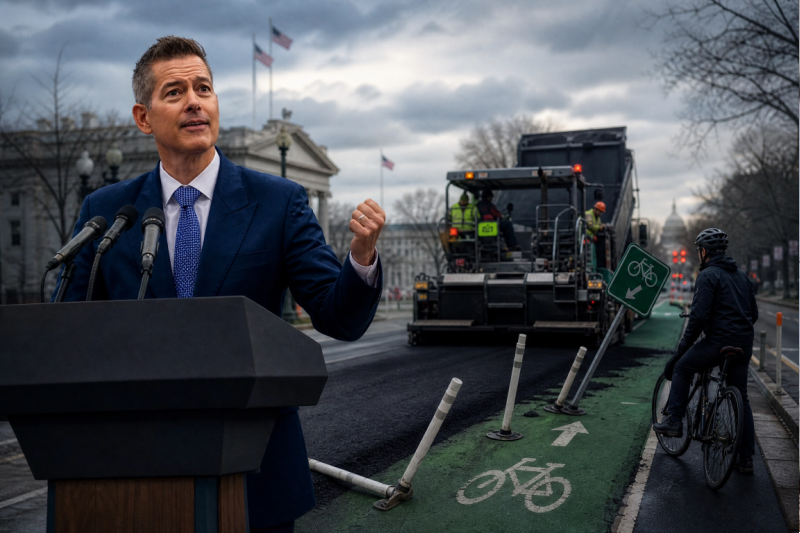
That law is approaching a deadline. The surface transportation programs authorized under the Infrastructure Investment and Jobs Act are scheduled to expire September 30, 2026. Congress is now considering what replaces them, and the outcome could influence American riding conditions through 2031.
This is not only a story for transportation planners or daily commuters. It matters to the road rider who wants a safer route out of town, the mountain biker who uses a paved connector to reach a trail system, the parent teaching a child to ride, the visitor spending a weekend on a rail-trail, and the local bike shop whose future depends on more people feeling comfortable on two wheels.
The Bill on the Table
The leading House proposal is H.R. 8870, the BUILD America 250 Act, a five-year surface transportation bill covering fiscal years 2027 through 2031. The House Transportation and Infrastructure Committee approved it in May by a 62–2 vote. As of September 16, it is still a proposal, not the final law; the House, Senate and administration must still determine what ultimately takes effect.
For cyclists, the bill is neither a clean victory nor a simple loss. It preserves several major programs used for bicycling and walking projects, adds money in some places, changes the rules in others, and removes or consolidates programs that communities have used to build connected networks.
The most important number is $8.3 billion. That is the amount House transportation committee Democrats say the proposal would provide for bicycle and pedestrian infrastructure through the Transportation Alternatives Program over five years. Transportation Alternatives is the country’s largest dedicated federal source for projects such as bike lanes, sidewalks, trails and safer crossings.
The proposal also reauthorizes Safe Streets and Roads for All at $3.75 billion over five years. The program helps local and regional governments plan and build projects intended to reduce deaths and serious injuries. Its continuation matters, although the proposed total is $1.25 billion below the amount made available under the current infrastructure law, according to the National Association of Counties.
Why More Money Does Not Tell the Whole Story
Federal transportation policy is complicated because the size of a program and the rules protecting it are separate questions. A larger headline allocation does not automatically guarantee that every dollar will reach a bike or pedestrian project.
PeopleForBikes supports the proposed increase for Transportation Alternatives but has warned that changes in the bill could weaken long-term protections for those funds. Rails-to-Trails Conservancy and the East Coast Greenway Alliance have raised a similar concern: states could have greater ability to redirect Transportation Alternatives money away from biking and walking projects.
That distinction matters. Dedicated funding gives a small trail connection or protected intersection a realistic path through a transportation system dominated by projects with much larger budgets. If the money is nominally available but easier to transfer elsewhere, local bike projects may once again find themselves competing from the back of the line.
The House proposal would also replace or consolidate several discretionary grant programs in a new Surface Transportation Accelerator Grant program. Its stated goals include connectivity, safety and quality of life, and it would divide funds among rural, urban, local and regional projects. Yet advocates say eligibility and priority for complete walking and bicycling networks—especially in rural areas—are not as clear as they need to be.
Trails Are Transportation Even When the Ride Is Recreation
One of the persistent weaknesses in American transportation debates is the assumption that a trip must be a commute to count. Cyclists know better. A rail-trail may carry a worker to a job on Tuesday, a child to school on Wednesday and a family on a recreational ride Saturday. The pavement does not ask why someone is traveling.
The economic argument is equally practical. Rails-to-Trails Conservancy estimates that America’s multiuse trails generate more than $34 billion in annual economic impact. Those dollars show up in lodging, restaurants, guiding services, equipment, repairs and the small businesses that serve trail towns. The organization also reports that more than one quarter of the nation’s developing trail networks serve rural counties.
That helps explain why federal investment is not merely a big-city bike-lane issue. Rural trail networks can connect towns, make short trips safer, attract visitors and give residents a place to be active without sharing a high-speed road. Rails-to-Trails reports that the existing BUILD/RAISE program invested $2.3 billion in rural walking and biking projects under the current law. Whether the next system gives similar projects a clear route to funding will be consequential well beyond metropolitan centers.
A Bridge Can Connect a Network or Break It
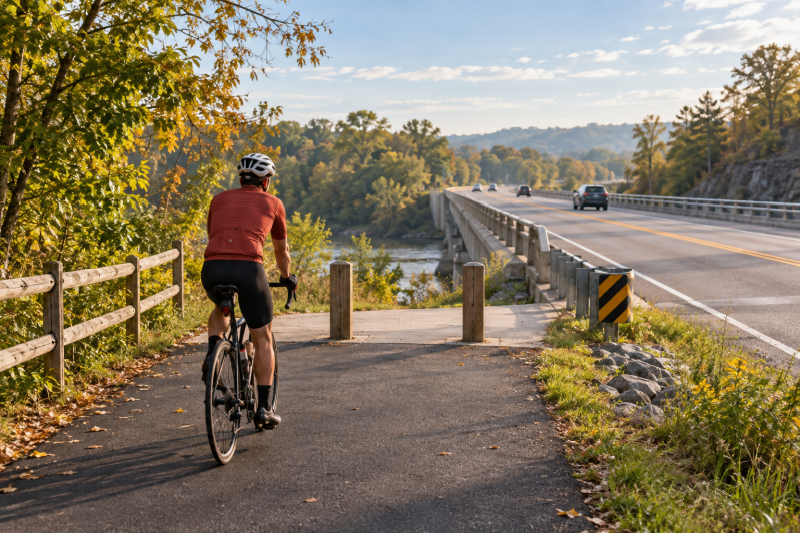
Some of the proposal’s most meaningful bicycle provisions are easy to overlook because they sound technical. One section would allow the U.S. transportation secretary to require a federally funded bridge deck replacement or rehabilitation to accommodate people walking and biking when that access can be added at a reasonable cost.
For riders, that is not a minor design detail. A bridge is often the only practical way across a river, freeway or rail corridor. Rebuilding it without safe bicycle access can lock a dangerous gap into place for decades. Including that access during a major project is usually far more realistic than returning years later to retrofit it.
The bill would also update the Recreational Trails Program definition to make an exception for electric bicycles while explicitly preserving the ability of state and local governments to restrict particular e-bike classes on nonmotorized trails. That language reflects the balancing act already happening across the country: recognizing pedal-assist bikes as part of modern trail use while leaving room for land managers to set rules appropriate to a specific trail.
The Deadline Is Real but September 30 May Not Be the Last Word
Transportation authorizations do not always move in a straight line. Congress can pass a new multiyear law, negotiate a shorter extension of current programs, or allow uncertainty to spill beyond the deadline while lawmakers continue working. The House committee bill is an opening framework, and the final package could change substantially.
That is precisely why the cycling community should pay attention now. Once funding levels, transfer rules and program definitions harden into a five-year law, the practical consequences arrive later—when a town applies for a trail grant, a county redesigns a dangerous road, or a state decides which projects move forward.
A debate over program language can feel remote until it becomes the reason a local connection is built or postponed. By then, the decisive moment may have passed.
What Riders Can Do Before the Route Is Set
Cyclists do not need to become federal policy experts to have a useful voice. They do need to be specific. A general request to “support biking” is easy to acknowledge and easy to forget. A description of the missing connection near a school, the bridge that riders cannot safely cross, or the trail project waiting for matching funds gives the policy a real place and purpose.
Ask federal representatives to preserve dedicated Transportation Alternatives funding, maintain strong protections against transferring that money away from bicycling and walking, and ensure that rural as well as urban active-transportation networks remain clearly eligible for competitive grants. At the state and local level, ask transportation agencies which projects in your community depend on these programs and whether applications are ready when funding becomes available.
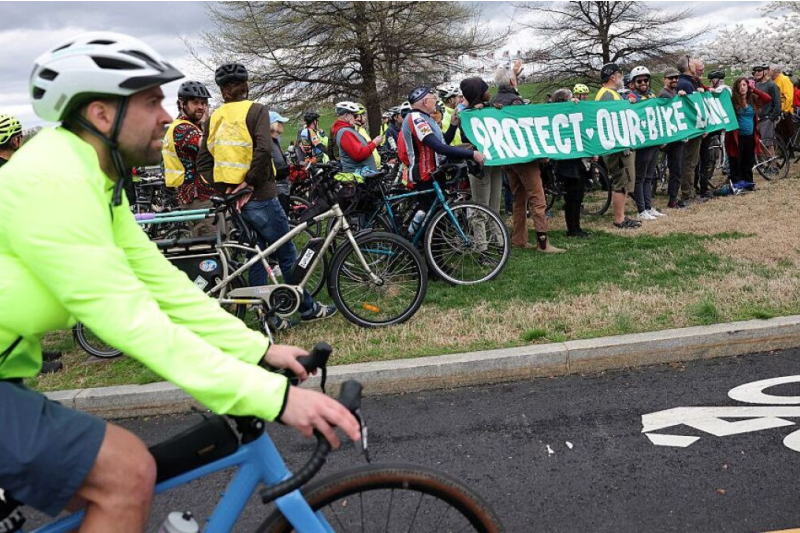
Local bicycle coalitions, trail organizations and planning meetings are often where national funding becomes an actual route. Supporting those groups, commenting on transportation plans and documenting dangerous gaps can help a community compete when a grant window opens.
The Ride Ahead
The future of American cycling will not be determined by one bill alone. Culture, enforcement, street design, land access, affordability, education and the bike industry all matter. But federal transportation law establishes the financial framework within which thousands of local decisions are made.
The current House proposal keeps important bicycle programs alive and offers meaningful investment. It also contains enough uncertainty—about transfers, consolidated grants and the priority given to connected networks—that cyclists should not mistake preservation for completion.
Most riders will never see the legislative language behind their favorite greenway or safest intersection. They will simply know that a stressful gap disappeared, a bridge finally became rideable, or a trail reached the next town. Those improvements look local because that is where we experience them. The opportunity to build them, however, is being negotiated nationally right now.
The next five years of American cycling are being written before the next mile of pavement is poured. This is the moment to make sure riders remain part of the plan.