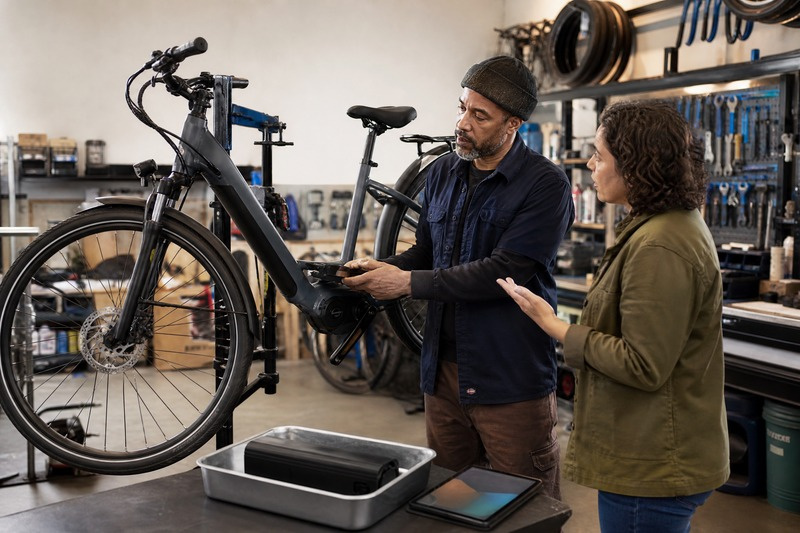
You finally bought the e-bike. You researched the range, debated the motor torque, and waited weeks for the heavy cardboard box to arrive on your porch. For six months, it transformed your commute and your weekends. Then, the rear tire went flat, or an error code flashed on the display, or the brakes started squealing. You rolled it down to the local bike shop where you’ve bought tubes and chain lube for years, only to be met with a polite but firm shake of the head: “Sorry, we don’t work on those.”
This is the e-bike service gap. It is a frustrating reality for thousands of riders in 2026, where the rapid adoption of electric bicycles has outpaced the traditional retail and repair infrastructure. As sales surge, many independent bicycle dealers are drawing a hard line, refusing to service certain e-bikes—particularly direct-to-consumer (DTC ) models—due to safety, liability, and technical concerns . This dynamic is creating friction for riders and forcing the cycling industry to rethink how it supports the fastest-growing segment of the market.
Why Shops Say No: Safety, Liability, and Tech
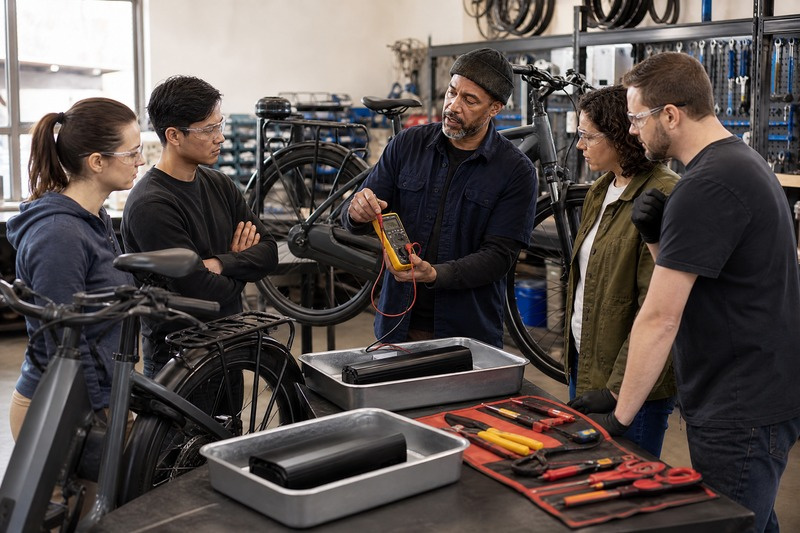
When a shop turns away an e-bike, it rarely stems from elitism or a dislike of electric assist. The refusals are usually rooted in legitimate business and safety calculations. The most pressing issue is the risk of lithium-ion battery fires. While relatively rare, thermal runaway events in low-quality or damaged batteries are catastrophic, leading some shops to refuse storage or charging of unknown batteries . For a small business operating in a densely packed retail space, bringing an uncertified, potentially unstable battery indoors is a risk they simply cannot afford.
Beyond immediate fire risks, liability is a major hurdle. If a mechanic works on an e-bike—even just adjusting the brakes—and the bike later malfunctions or causes an accident, the shop could be held liable. This is especially true if they cannot verify the safety of the electrical components . Many shop insurance policies have not caught up to the nuances of e-bike repair, leaving owners exposed to significant financial ruin if they touch a system that fails catastrophically down the road.
Then there is the technical reality. Modern e-bikes are complex machines requiring proprietary diagnostic tools, software updates, and specific training. When a rider brings in a brand the shop doesn’t carry, the mechanics often lack the necessary software interfaces or wiring diagrams to diagnose an electrical fault.
|
Shop Concern
|
Primary Driver
|
Impact on Rider
|
|
Battery Safety
|
Risk of thermal runaway and fire from uncertified lithium-ion packs.
|
Shops refuse to store or charge unknown bikes overnight.
|
|
Liability & Insurance
|
Fear of lawsuits if a repaired bike later causes an accident.
|
Complete refusal of service for brands the shop does not sell.
|
|
Technical Complexity
|
Lack of proprietary diagnostic tools and software.
|
Inability to fix electrical or motor issues on unfamiliar systems.
|
The Direct-to-Consumer Dilemma
The service gap is most pronounced for direct-to-consumer (DTC) e-bikes. These brands have democratized access to electric assist by offering lower prices, but that affordability often comes at the expense of a local dealer network. When a DTC bike breaks, the owner is often left to act as the middleman between the manufacturer’s customer service department and a local shop that may want nothing to do with the bike.
It is crucial to note that the situation varies widely by location and shop policy. Not all DTC e-bikes are inherently unsafe or poorly made. The core issue is often the lack of standardized certification (such as UL listing for the battery and electrical system), which makes it difficult for a shop to assess the risk of working on a specific model.
Furthermore, sourcing replacement parts for some budget DTC brands can be a nightmare. Proprietary controllers, unusual tire sizes, and obscure motor parts mean a simple repair can leave a bike taking up valuable floor space in a shop for weeks while waiting for a shipment from overseas. In the worst cases, some extremely cheap models are essentially “disposable,” designed without repairability in mind.
Who is Building the Fix?
Despite the current friction, the industry is not standing still. The e-bike service gap represents a massive business opportunity, and several models are emerging to fill it.
Organizations like the National Bicycle Dealers Association (NBDA) are actively developing resources, protocols, and training programs to help traditional shops safely and profitably service a wider range of e-bikes . This includes guidance on safe battery storage and handling.
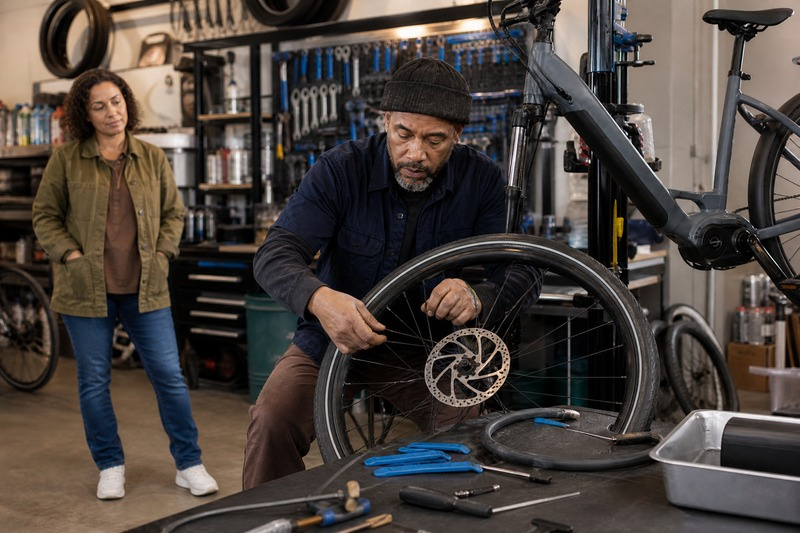
Simultaneously, we are seeing the rise of specialized e-bike repair shops. These businesses are built from the ground up to handle high-voltage systems, with fire-safe battery bunkers, advanced diagnostic tools, and mechanics trained specifically in light electric vehicle (LEV) repair.
Mobile repair services are also adapting rapidly. Because they operate out of vans rather than brick-and-mortar storefronts, they can sometimes manage battery risks differently and bring the service directly to the rider’s driveway, which is particularly useful for heavy cargo e-bikes that are difficult to transport when broken.
Finally, the more established DTC brands are recognizing that post-sale support is critical for long-term survival. Companies are building out their own service networks, partnering with mobile mechanics, or establishing authorized service centers to ensure their riders aren’t left stranded .
What Riders Can Do Now
If you are an e-bike owner, or are considering becoming one, you don’t have to be a victim of the service gap. The most important step happens before the purchase: research your service options. Before buying a DTC bike, call your local shops and ask about their policy on that specific brand. Ask the manufacturer how they handle warranty claims and local repairs.
If you already own an e-bike, focus on building a relationship with a willing shop. Be transparent about what you ride, and be understanding if they refuse certain types of work. Often, a shop will agree to fix a flat tire or adjust the mechanical brakes if you agree to take the battery home with you.
You can also take control of the basics. Review our Late-Summer Bike Maintenance Checklist: Chain, Tires, Brakes, and E-Bike Battery Care to keep the mechanical components running smoothly. Simple preventative maintenance can drastically reduce the need for professional intervention.
The Road Ahead
The e-bike service gap is a growing pain of a transportation revolution. The valid concerns of traditional bike shops regarding safety and liability are forcing necessary conversations about standards, certification, and the evolution of the retail model. As the industry matures, we can expect to see clearer safety standards, more robust training for mechanics, and a broader ecosystem of repair options. In the meantime, understanding the landscape is the best way to keep your e-bike rolling, contributing to the broader benefits of Pedaling to Prosperity: How Cycling Boosts Local Economies.